← Blog

Posts tagged “healthcare”

21 posts. Browse the blog by category:

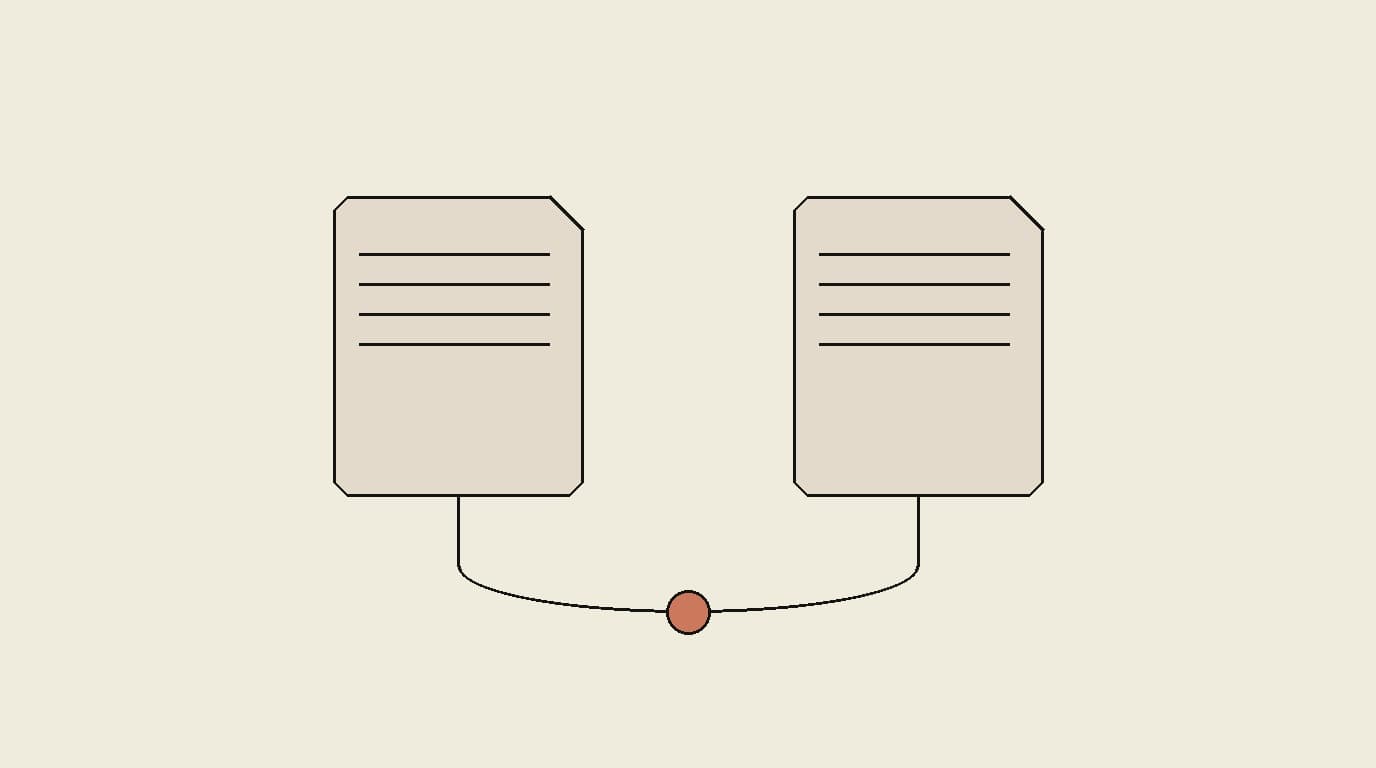
  • Two tan documents with folded corners sit side by side, joined beneath by a single thin charcoal line that loops from one to the other and back, with a small terracotta circle at the loop's midpoint — two separate pages describing one underlying event.

    Healthcare

    The Refill and the Prior Auth Are the Same Fax, Arriving Twice

    A prescription goes out. The pharmacy tries to fill it. The claim rejects. That rejection generates a prior authorization request that arrives back at the practice as a fax — the same clinical event, now a second document, landing in the same pile as everything else.

    Prasad Thammineni

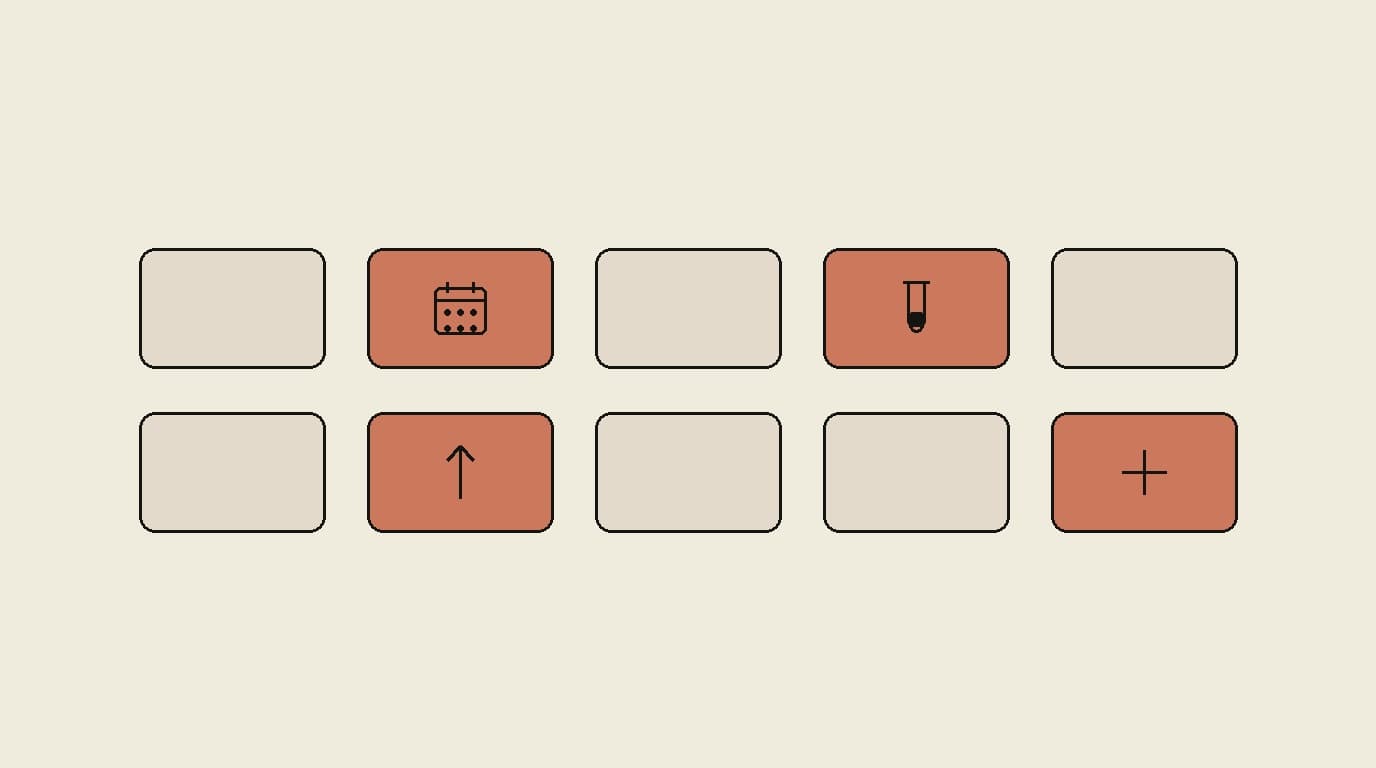
  • Ten small outlined pill-shaped tiles arranged in a grid on cream; six are plain tan, and four are terracotta, each marked with a small charcoal symbol — a calendar, a test tube, an upward arrow, and a cross — showing that a substantial share of routine-looking requests carry a finding.

    Healthcare

    A Third of Refill Requests Aren't Refill Requests

    In a year-long study at a federally qualified health center, 36% of refill requests carried a clinical finding — a patient overdue for labs, a dose that should have changed, a drug that should have stopped. The more troubling number: of the drug therapy problems found, 55% were never addressed.

    Prasad Thammineni

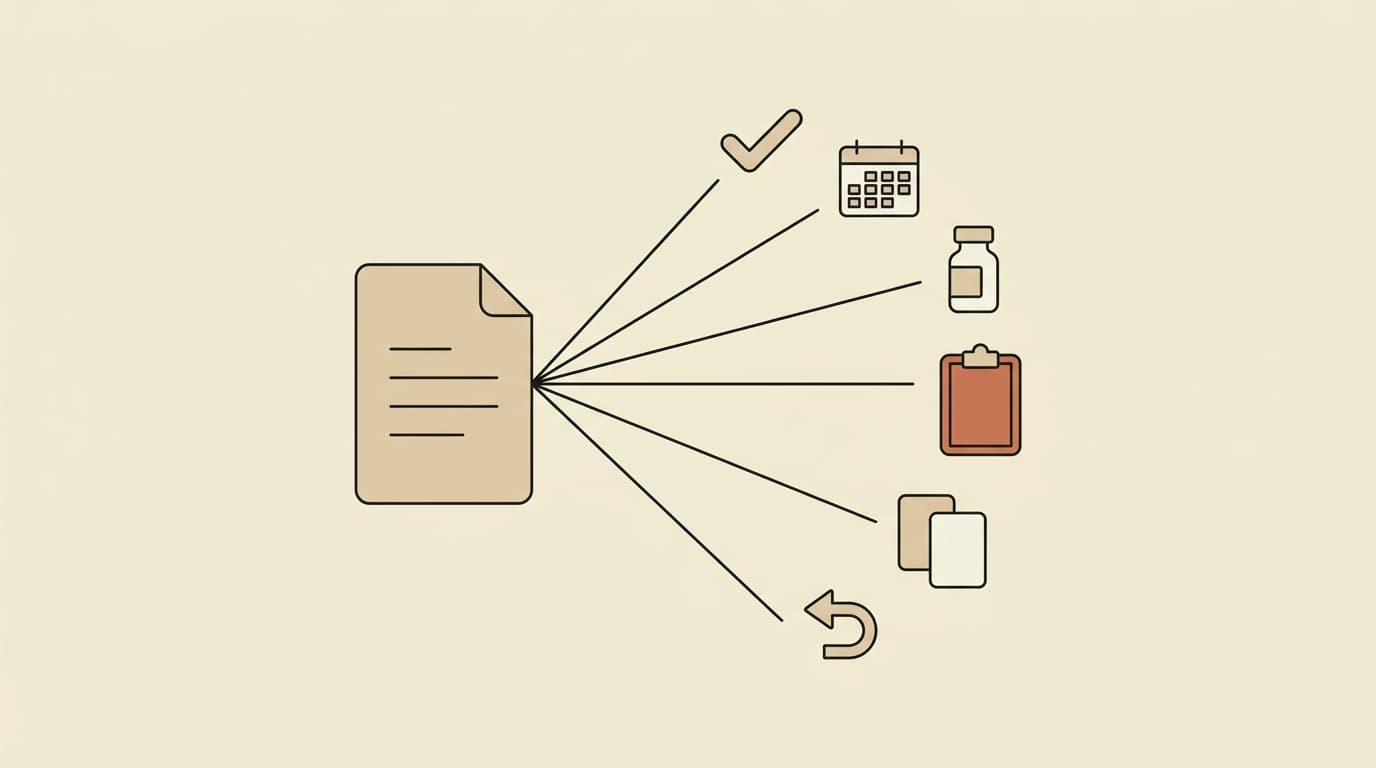
  • A single tan document at the left joined by thin charcoal lines that fan out to six small outlined shapes: a checkmark, a calendar, a vial, a clipboard form, two mismatched rectangles, and an arrow turning away — one arriving request resolving into six different kinds of work.

    Healthcare

    A Refill Request Isn't a Task. It's an Unclassified Trigger.

    Every vendor selling refill automation answers the same question: what percentage can you auto-approve? It's the wrong question. A refill request has no identity until someone reads it — and in our production triage system, it can turn out to be any of six different jobs.

    Prasad Thammineni

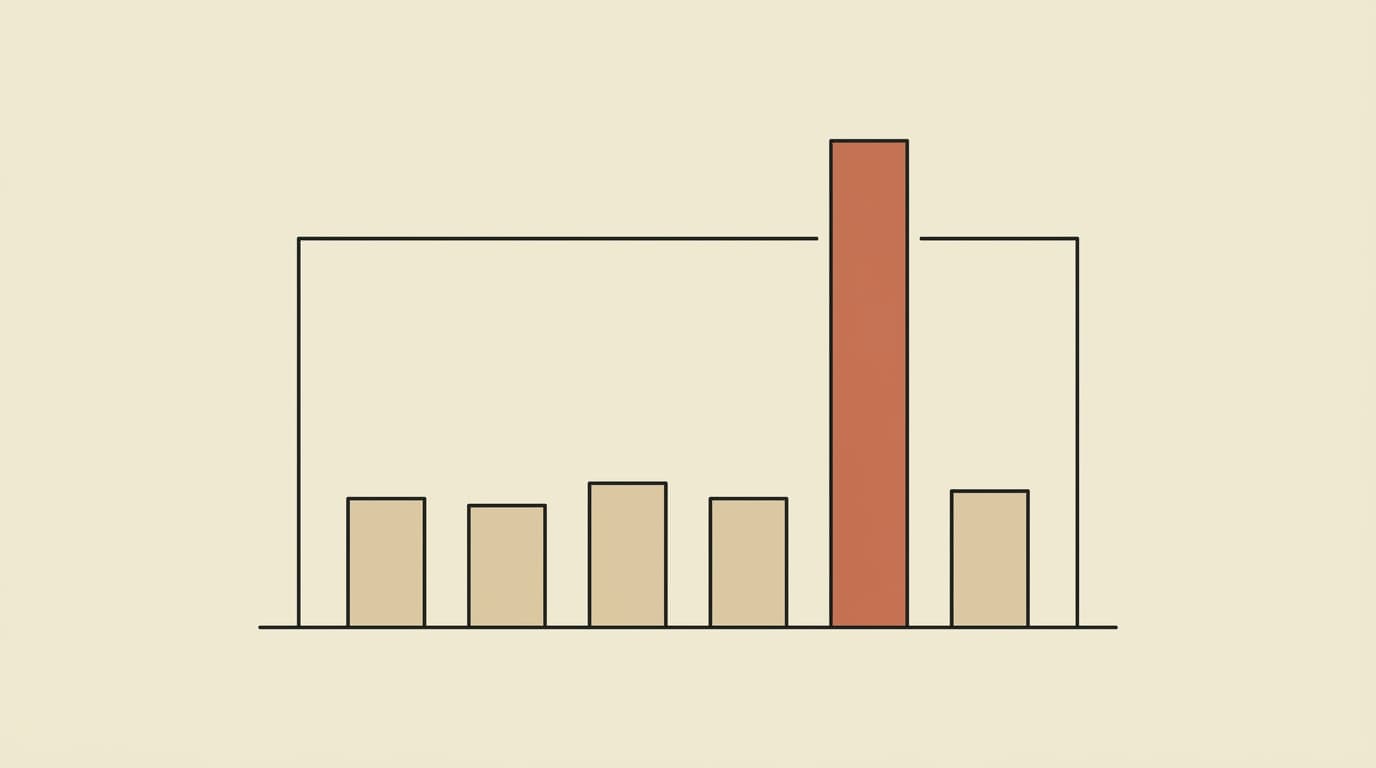
  • Six bars on a baseline inside a thin rectangular report frame. Five are short and tan; one, in terracotta, is several times taller and breaks straight through the top edge of the frame — the denials a payment-derived report cannot contain or show.

    Healthcare

    Your Denial Report Can't See Denials. Here's the Proof.

    We analyzed one practice's denials and found $98 worth worth appealing. Then we read the actual remittances and found $5,413 — in the same month, at the same practice. The first method was structurally blind, and it's the method most denial reports use.

    Prasad Thammineni

  • A tall tan checklist document outlined in charcoal with a column of short horizontal lines beside small square checkboxes, three of them marked with terracotta checks, and a small terracotta magnifying glass resting over the lower portion of the list.

    Healthcare

    21 Questions to Ask an AI Vendor Before You Sign

    A security questionnaire a small practice can actually run — no procurement team required. Copy the list, send it, and read the answers for artifacts rather than adjectives. We answer all 21 ourselves at the bottom.

    Prasad Thammineni

  • A tall tan document with several lines of text, most of them covered by solid charcoal redaction bars, and a single terracotta-outlined magnifying glass hovering over the two lines left visible — an agent seeing only the minimum necessary fields.

    Healthcare

    Can AI Read PHI? The Data-Handling Rules That Actually Apply

    Yes — with a BAA and the right safeguards. The harder questions are where the data travels during inference, how little of it the agent actually needs, and what ends up sitting in prompt logs nobody thought to check.

    Prasad Thammineni

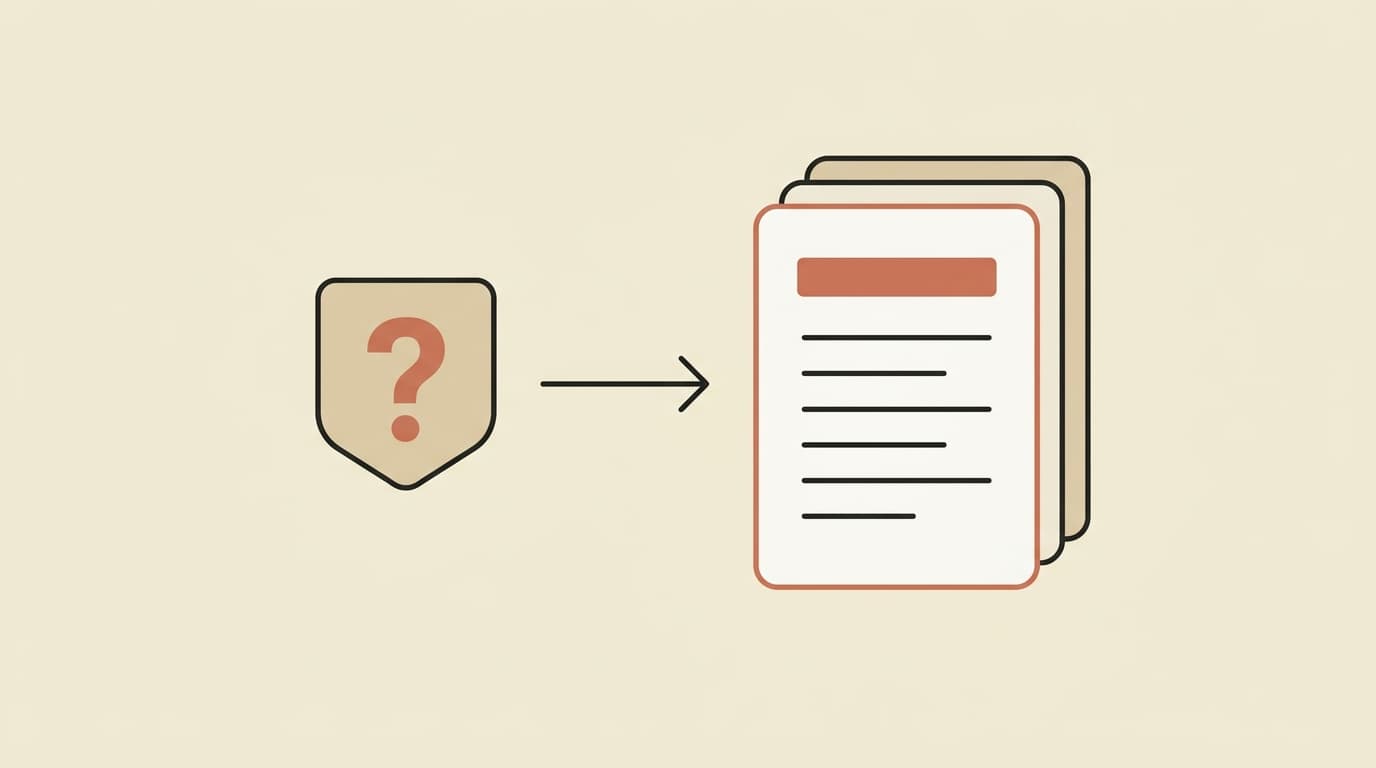
  • A tan badge shape on the left with a small terracotta question mark inside it, and on the right a multi-page report document with a visible date range bar and several short lines, connected by a thin charcoal arrow pointing from badge to report.

    Healthcare

    SOC 2 for AI Vendors: What It Covers and What It Doesn't

    A SOC 2 report is real evidence — but the vendor helped choose what was examined, and the badge on the website tells you none of that. What to ask for, how to read the report, and why 'SOC 2 ready' means nothing at all.

    Prasad Thammineni

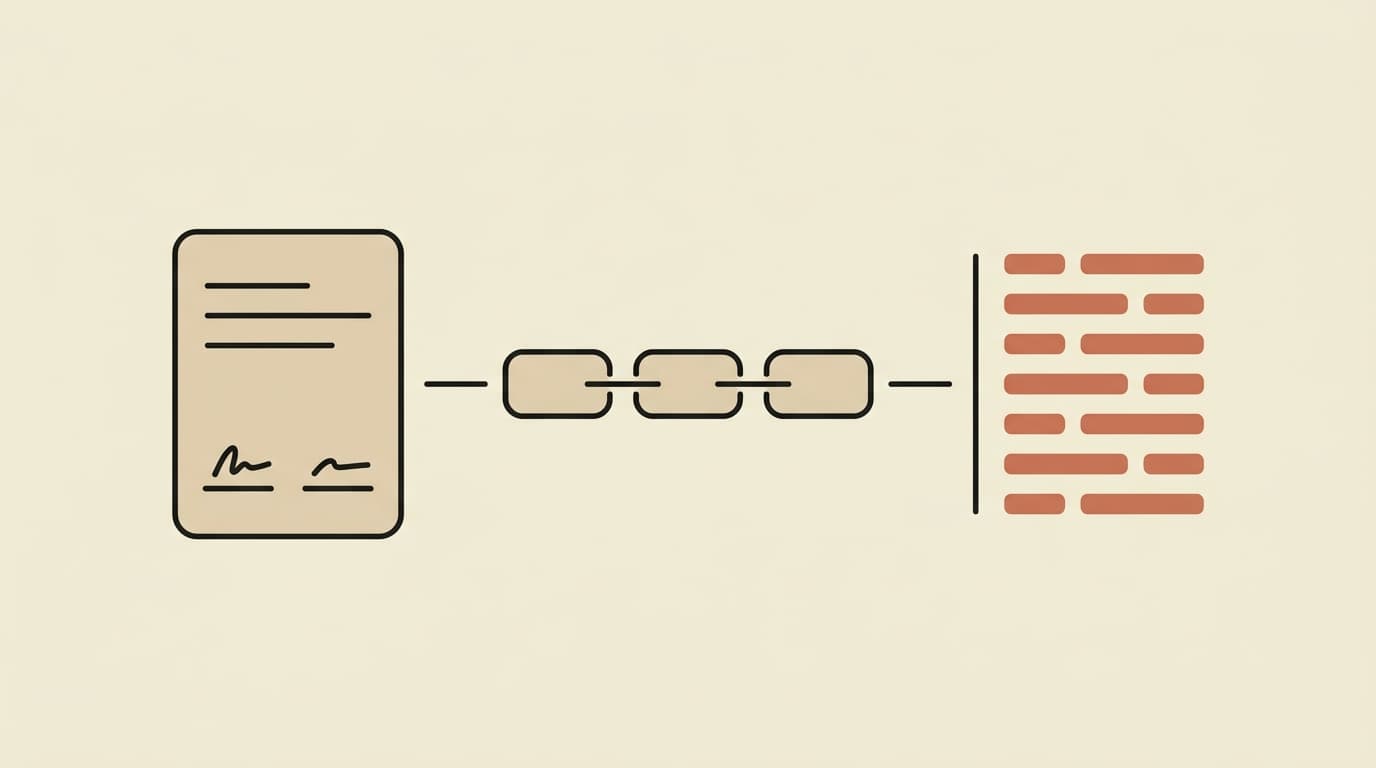
  • Three elements in a row joined by thin lines: a tan document with signature marks, a horizontal chain of three linked tiles, and a block of stacked terracotta dashes beside a vertical rule — the signed agreement, the subprocessor chain it binds, and the audit log that records what happened.

    Healthcare

    HIPAA-Compliant AI Agents: BAAs, PHI Handling, and Audit Trails

    An AI agent that touches patient data is a business associate, with direct legal liability. Here's what the BAA has to cover, which AI-specific questions older templates miss, and what an audit trail needs to contain when an agent acted instead of a person.

    Prasad Thammineni
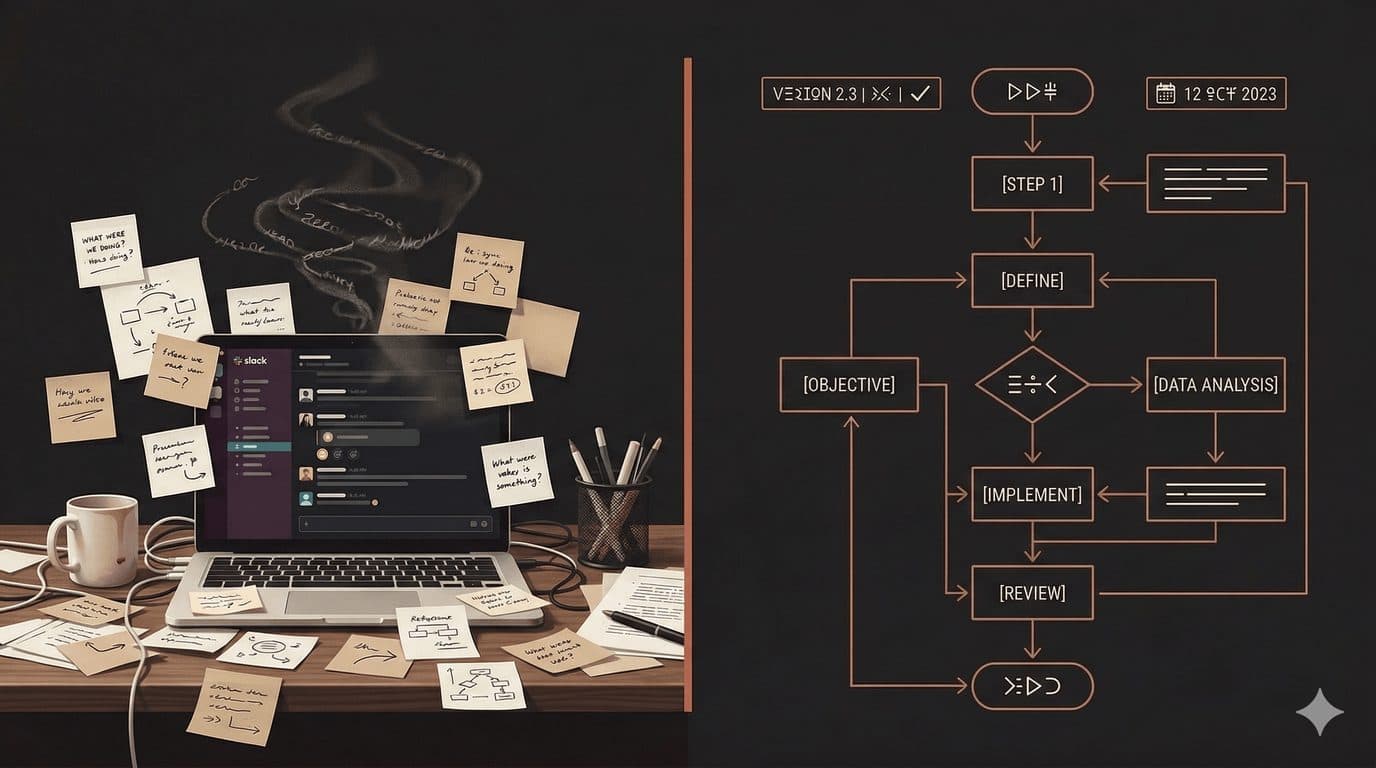
  • Split in two by a thin vertical line. On the left, five tan tiles scattered with no lines joining them, above a knot of tangled threads. On the right, one terracotta-outlined panel holding the same five tiles in a neat row, each joined to the next by a short straight line — five disconnected vendors beside one integrated system.

    Healthcare

    One Vendor or Five? What Buying Your Second Agent Teaches You

    Start with one workflow — that advice is right, and it still works. The trap is choosing your first agent without asking what the second one will cost you. Here's what breaks when eligibility, voice, and prior auth come from three different vendors.

    Prasad Thammineni

  • A tan doorway outlined in charcoal with a wide arch, sized so that five small figures fit through it together while a single figure and a pair stand outside at a smaller scale — a vendor minimum drawn as a doorway that only groups of five or more can pass through.

    Healthcare

    Assort Health Alternatives: What to Consider in 2026

    Assort Health sells annual contracts to multi-provider groups, and for that buyer it's a capable product. If you have fewer than five providers, the more useful question isn't which vendor is better — it's whether you're the customer at all.

    Prasad Thammineni

  • Five telephone handsets in a row on a thin baseline. Four are plain tan and stand alone; the fifth, outlined in terracotta, fans four thin lines out to a document, an envelope, a clipboard with a checkmark, and a stack of cards — a voice agent that also handles the back-office queues the others cannot.

    Healthcare

    Prosper AI Alternatives: 5 Healthcare Voice Agent Options (2026)

    Prosper AI is a strong healthcare voice agent, and for some practices it's the right call. Here's an honest look at the alternatives — what each one publishes, who each fits, and where we'd tell you to pick someone else.

    Prasad Thammineni

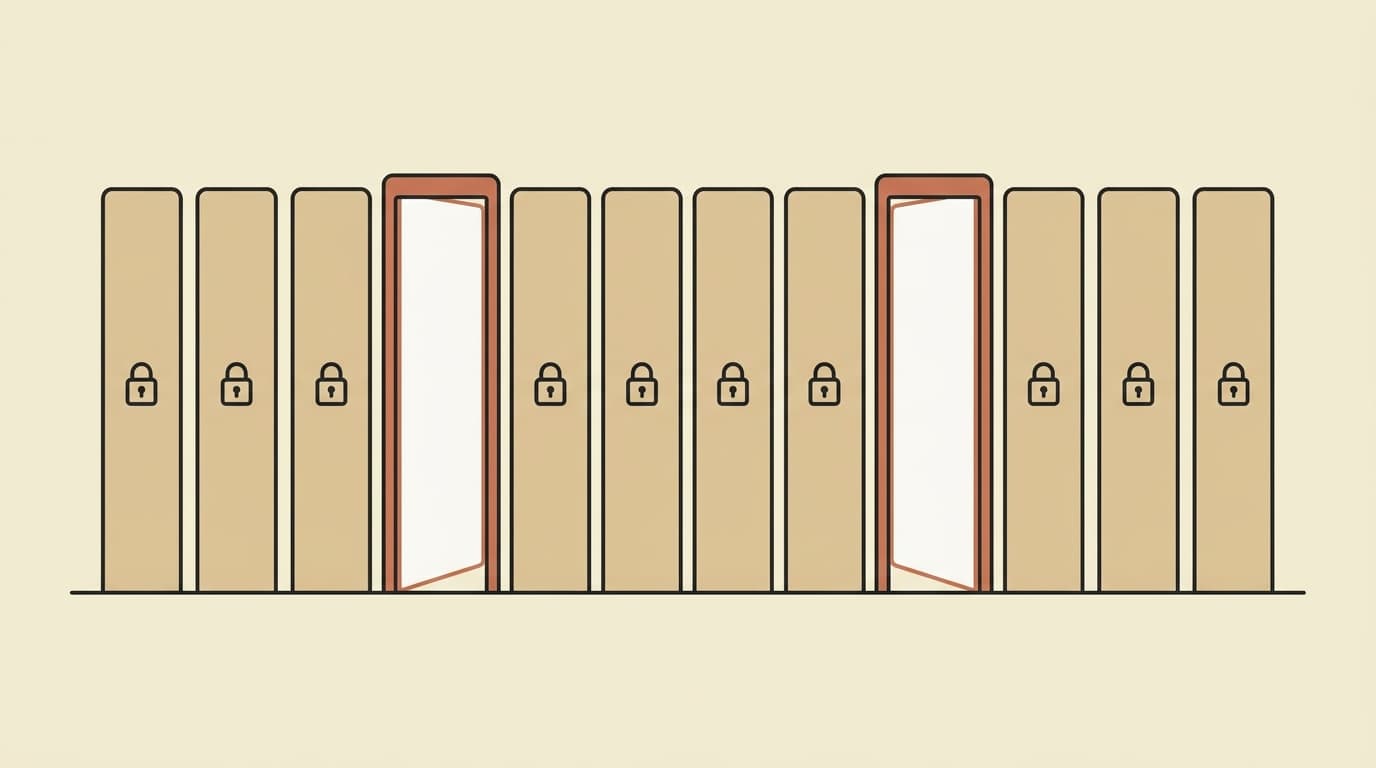
  • A row of many small tan door shapes, most closed with a small padlock, and a few open ones outlined in terracotta showing light through the doorway — vendors that gate the product behind a demo beside the few offering a self-serve trial.

    Healthcare

    We Checked 338 Healthcare Vendors. Most Won't Let You Try It.

    We read the primary call to action on every healthcare back-office vendor we could reach. Of the 171 sites we could classify, 142 required a demo or a sales conversation before a practice could see the product. Here's the method, the data, and what we couldn't measure.

    Prasad Thammineni

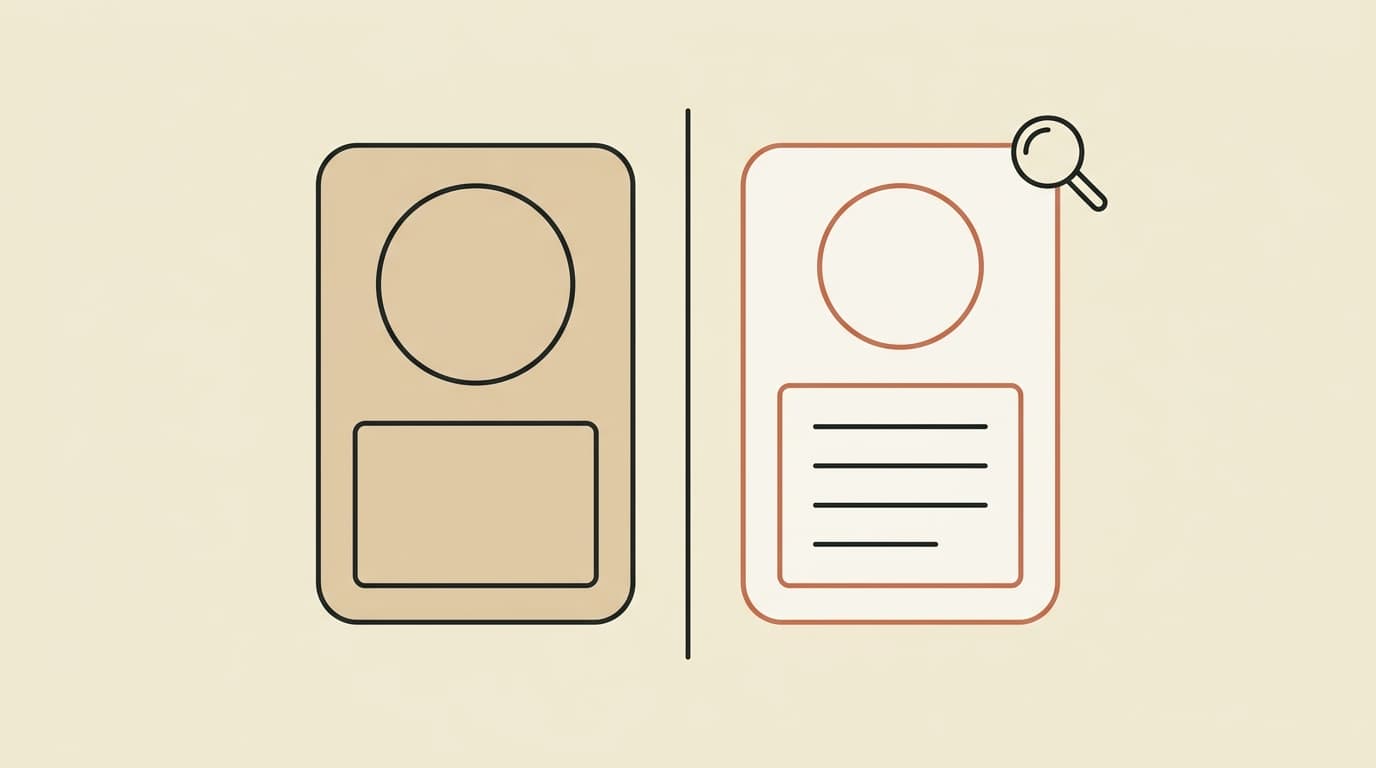
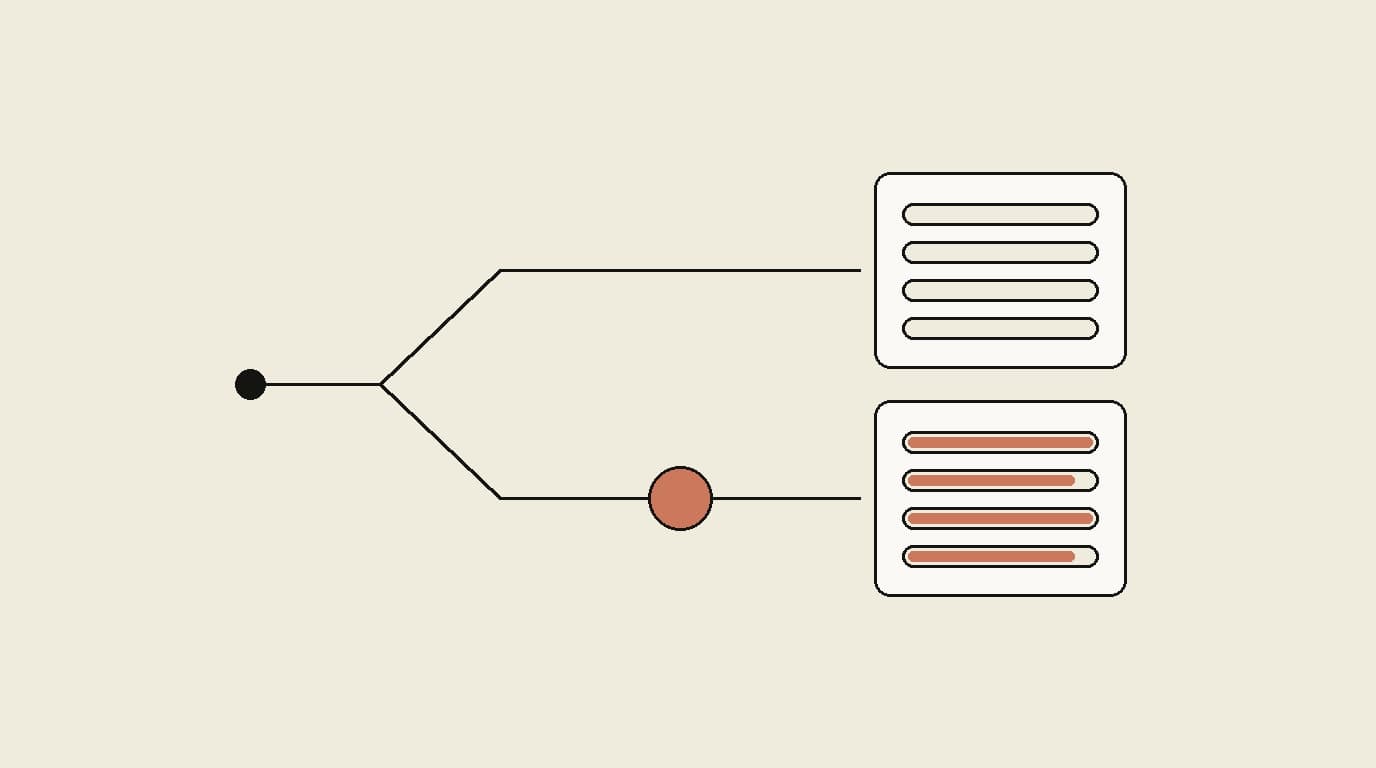
  • A large tan percentage-style circle on the left sits above an empty outlined box, while on the right a smaller terracotta-outlined circle sits above a box filled with horizontal lines — a claim without a denominator beside a claim with its evidence.

    Healthcare

    How to Verify an AI Agent Vendor's Claims (2026)

    Every healthcare AI vendor publishes a percentage. Almost none publish the denominator. Here's how to read automation claims, what to ask before signing, and how to measure whether an agent actually worked once it's live.

    Prasad Thammineni

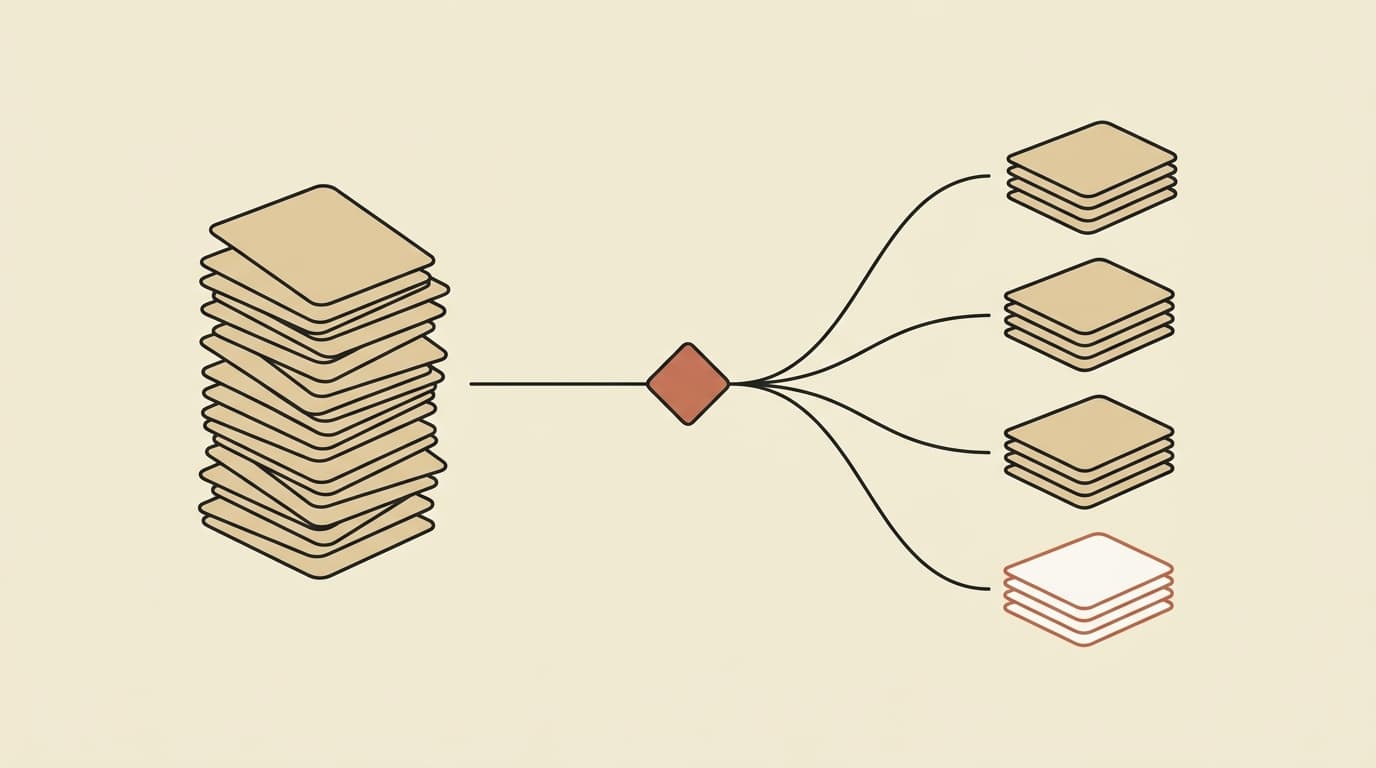
  • A single tall stack of papers on the left flows through a terracotta sorting point into four small neat stacks on the right, with one stack outlined in terracotta to mark the few messages that need a human.

    Healthcare

    Your Front Desk Reads Every Message. Most Don't Need a Human.

    Faxes, voicemails, and portal messages arrive in separate queues and someone reads all of them to find the few that matter. Here's what that costs, how the alternatives compare — hiring, outsourcing, EHR rules, and AI triage — and what automation actually routes.

    Prasad Thammineni

  • Four insurance cards in a row of increasing size representing rising cost per eligibility check, from a small terracotta-outlined card for an automated check to a large tan card for a manual phone call, with a clock icon above the largest.

    Healthcare

    What an Eligibility Check Really Costs (2026 Comparison)

    A manual eligibility verification costs a provider $7.97 per transaction. An electronic one costs $2.18. An automated agent runs about $0.50. Here's the full comparison — portals, clearinghouses, outsourced staff, and AI agents — with the CAQH data behind every figure.

    Prasad Thammineni

  • Five telephone handsets in a row. Four tan handsets each have a speech bubble containing a closed padlock; the fifth, outlined in terracotta, has a speech bubble showing visible price lines — the four healthcare voice AI vendors that quote privately beside the one that publishes its rate.

    Healthcare

    What Healthcare Voice AI Actually Costs (2026 Comparison)

    Every major healthcare voice AI vendor gates pricing behind a custom quote. We compared what each one publishes — and published our own rate, $10 for each hour of call time — so you can budget before you book a demo.

    Prasad Thammineni

  • Illustration of eight medical billing agent skills arranged in a grid, framed by a governance shield with audit-trail connecting lines and a human-in-the-loop reviewer.

    Healthcare

    8 Agent Skills Every Medical Billing Team Needs in 2026

    The eight production-ready agent skills with the highest measurable impact on medical billing teams in 2026 — from eligibility verification to prescription refills — and the four governance guardrails that keep them safe from AI hallucinations.

    Debby Wang

Tell us what you are trying to automate

We have run agents in production for 24 months. Bring us the workflow that will not behave.