Prior Authorization Is Going Electronic — What Small Practices Should Know About CMS-0057
For more than a decade, the healthcare industry has been moving — slowly — toward electronic workflows that reduce administrative burden on providers and patients. Prior authorization has been one of the last holdouts: a process still dominated by phone calls, fax machines, and opaque payer decisions that leave small practices waiting days or weeks for answers. With the finalization of CMS-0057-F, that era is coming to an end.
The rule, released by CMS in January 2024, represents the most significant regulatory overhaul of prior authorization in a generation. It doesn't just encourage electronic PA — it mandates it, with specific timelines, transparency requirements, and technology standards that payers must meet. For small practices already stretched thin on staff and time, understanding what's changing — and when — is essential to capturing the benefits.
The Regulatory Shift
CMS-0057-F applies to Medicare Advantage organizations, Medicaid and CHIP programs, Medicaid managed care plans, and Qualified Health Plans on the federal exchanges. The rule rolled out in two phases, each targeting a different layer of the problem.
The first phase took effect in January 2026. Payers covered by the rule must now respond to standard prior authorization requests within seven calendar days and expedited requests within 72 hours — a meaningful compression from what many practices have experienced historically. Equally important, when a payer denies a request, they must now provide a specific clinical reason for the denial, not a generic "not medically necessary" form letter. And starting March 31, 2026, payers must publicly report their prior authorization metrics on their websites: approval rates, denial rates, appeal outcomes, and average processing times.
The second phase arrives in January 2027 with the technology mandate. Payers must implement a FHIR-based Prior Authorization API, allowing providers to submit requests, check status, and receive decisions electronically through standardized interfaces. A new Provider Access API will let practices pull a patient's claims history, encounter data, and prior auth decisions directly from the payer. And Payer-to-Payer data exchange means that when a patient switches plans, their prior authorization history travels with them — eliminating the need to start from scratch.
Why Small Practices Stand to Gain the Most
It's tempting to view CMS-0057 as a big-payer, big-system problem. In reality, small practices — the 1–5 physician offices that make up the majority of U.S. healthcare delivery — have the most to gain from these changes.
Faster decisions and specific denial reasons directly reduce the back-and-forth that consumes staff hours. When your front desk gets a denial with a clear clinical rationale instead of a form letter, they can address the issue and resubmit in the same day rather than starting a multi-week appeal cycle. The transparency requirements add another dimension: for the first time, practices will be able to compare payer performance on prior auth publicly. That's valuable information for network participation decisions and contract negotiations.
The key to realizing these benefits is readiness. Practices that connect to the new electronic channels — through their EHR, practice management system, or third-party integrations — will see the efficiency gains flow through immediately. Practices that continue relying on phone and fax will find themselves working harder for the same outcomes while payers optimize around the new digital workflows. The shift rewards preparation, not scale.
From Manual Burden to Automated Workflow
The transition to electronic prior authorization opens a door that's been closed for small practices: meaningful automation. Prior auth has always been too variable to automate with simple rules — every payer has different requirements, different forms, different clinical criteria for different services. That complexity is exactly why it's consumed so much staff time.
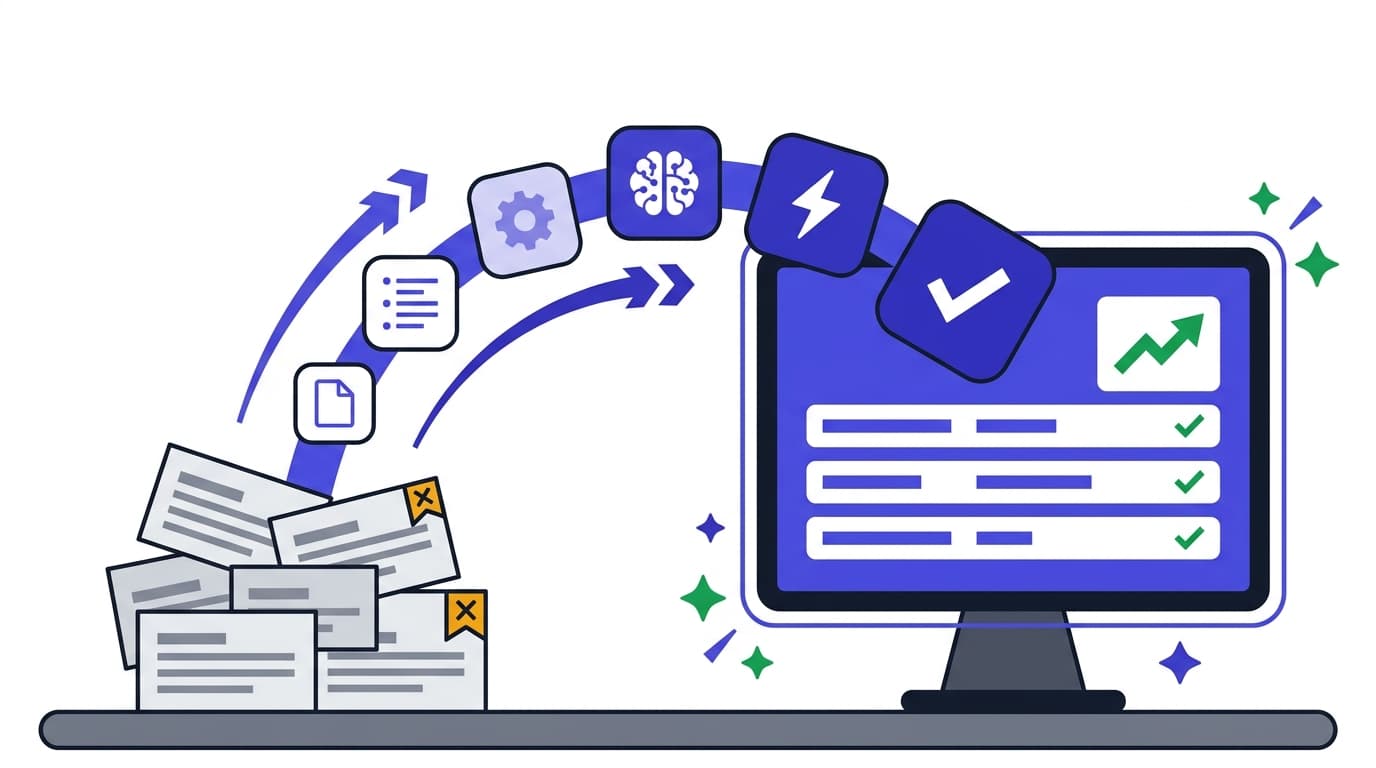
AI agents change that equation. With structured, electronic data flowing through standardized APIs, an agent can monitor your upcoming schedule and identify appointments that will require prior authorization before the patient arrives. It can pull the relevant clinical documentation from the patient's chart, assemble the supporting evidence the payer needs, and submit the request through the new FHIR interfaces as they come online. When a decision arrives, the agent can route approvals to scheduling and flag denials with the specific reason and suggested documentation for appeal — because payers are now required to tell you exactly why they said no.
This isn't about replacing your staff's judgment. It's about removing the hours of hold time, form-filling, and status-checking that keep them from higher-value work. The new electronic infrastructure gives AI agents the structured data they need to handle the repetitive mechanics, while your team stays in control of clinical decisions and patient relationships.
Preparing for the Transition
The timeline gives practices a clear window to prepare. The operational requirements — faster decisions, specific denials, public metrics — are already live. The technology requirements arrive in January 2027, which means there's roughly a year to ensure your systems are ready.
The most important step right now is a conversation with your EHR or practice management vendor about their CMS-0057 roadmap. Specifically, you want to understand their plans for FHIR R4 API support and whether they're building integrations with the new Prior Authorization API. A clear, specific answer is a good sign. A vague one is worth noting — and potentially worth factoring into your next vendor evaluation.
As payers begin publishing their prior auth metrics this spring, that data becomes a practical tool for your practice. Approval rates, average decision times, and appeal outcomes — published by plan — give you an evidence base for network decisions that previously relied on anecdotal experience.
And as you plan for 2027, consider how AI-assisted prior auth can integrate into your workflow ahead of the FHIR API deadlines. Practices that have automation ready to connect to the new electronic channels will capture the efficiency gains first — and free their teams to focus on the work that actually requires a human touch.
Looking Ahead
CMS-0057 is a structural shift, not a one-time compliance event. The move to electronic, time-bound, transparent prior authorization creates a foundation that will continue to evolve — toward faster decisions, richer data exchange, and increasingly automated workflows.
For small practices that have shouldered the heaviest burden of manual PA processes, the relief is real. Faster answers, clear denial reasons, and electronic submission reduce the daily grind. Public metrics create accountability. And the new API infrastructure makes it possible, for the first time, to bring AI into a workflow that has resisted automation for years.
The practices that prepare thoughtfully — connecting their systems, understanding the new data, and building automation into their operations — will be the ones that turn regulatory change into operational advantage.
At Agentman, we build AI agents that handle the back-office work small healthcare practices shouldn't have to do manually — from eligibility verification to prior authorization to denial management. If you're thinking about how to prepare your practice for CMS-0057, we'd love to talk.