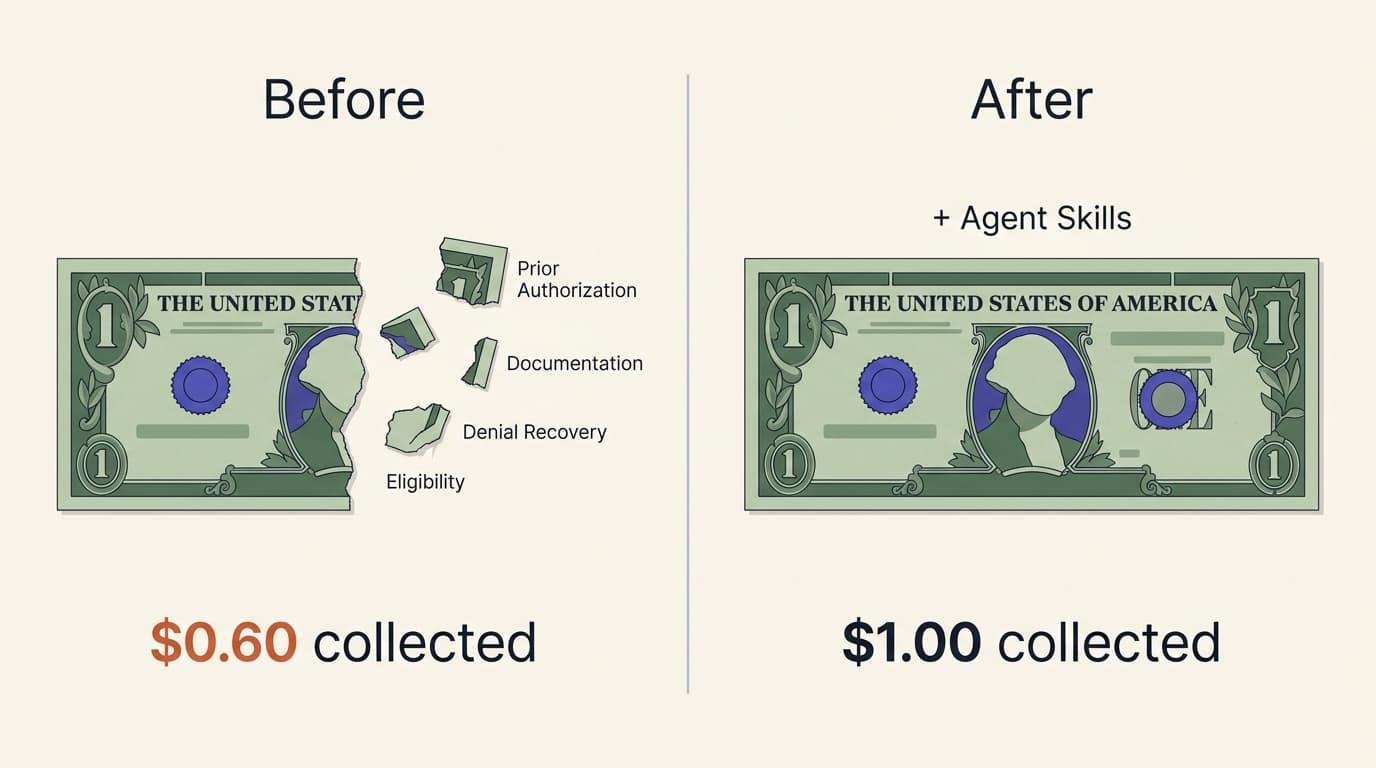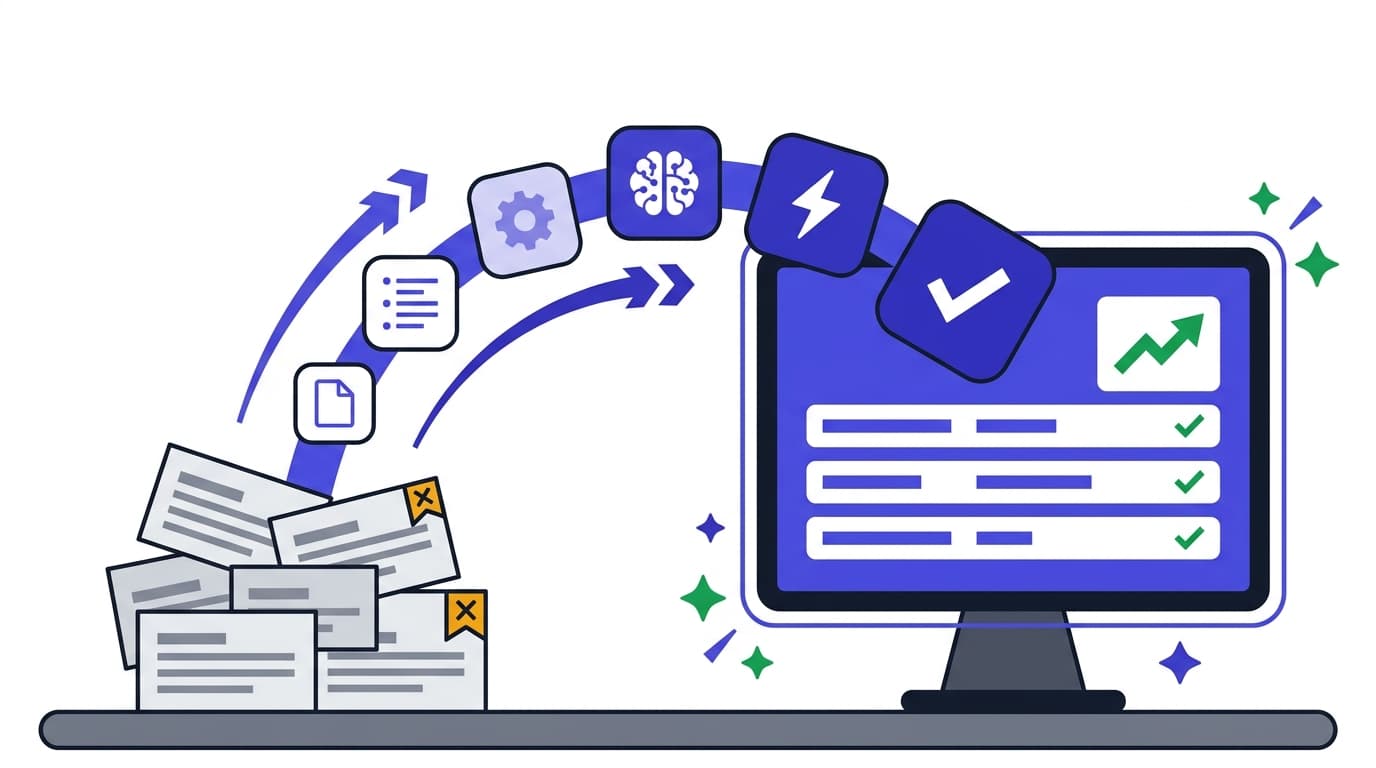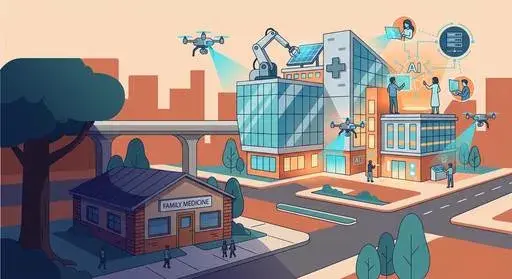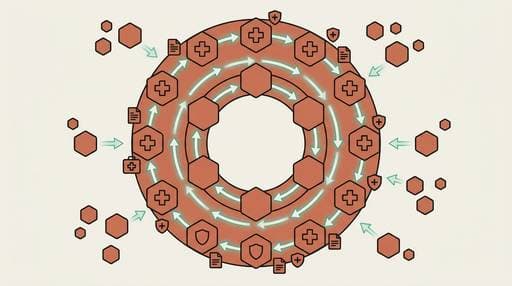
Agent skills — structured, versioned instructions written in plain English that tell AI agents how to perform clinical workflows — create a compounding network effect in healthcare. When one clinic teaches an agent how to handle Blue Shield GLP-1 prior authorizations, every similar clinic on the platform inherits that knowledge. The more clinics that deploy, the smarter every agent gets. This is the flywheel that makes healthcare AI defensible.
Table of Contents
- What Are Agent Skills in Healthcare AI?
- How Does the Skills Flywheel Work?
- Why Do Static Knowledge Bases Fail Where Skills Succeed?
- What Does a Skills Marketplace Mean for Clinics?
- How Do Skills Improve Over Time?
- Frequently Asked Questions
- Key Takeaways
What Are Agent Skills in Healthcare AI?
Agent skills are sets of instructions written in natural language that describe how humans perform a clinical or administrative process. Each skill is versioned, editable, and subject to a reinforcement learning feedback loop — meaning it improves with every interaction. Unlike static prompts or one-off automations, skills capture the tribal knowledge that lives in the heads of experienced staff and encode it into reusable, transferable intelligence.
Think of a skill as the difference between telling someone "handle prior authorizations" and handing them a 40-page playbook with payer-specific rules, regional requirements, and the exact steps that get approvals through on the first attempt. Agentman was one of the first platforms to adopt the agent skills standard at scale, and the results in production environments have been significant.
A healthcare practice's most valuable operational knowledge — which payer requires which documentation, which diagnosis codes trigger which review pathways, which regional rules override national ones — has historically lived in tribal knowledge passed between staff members. Skills formalize that knowledge into structured, executable assets.
| Traditional Approach | Agent Skills Approach |
|---|---|
| Tribal knowledge in staff heads | Encoded in versioned, shareable skills |
| Lost when employees leave | Persistent and transferable |
| Static documentation that goes stale | Self-improving through feedback loops |
| One clinic learns, one clinic benefits | One clinic learns, every clinic benefits |
How Does the Skills Flywheel Work?
The skills flywheel operates on a simple principle: knowledge captured at one practice becomes transferable to every similar practice on the platform. When a single clinic encodes its GLP-1 prior authorization process — including the requirement for a minimum 35 BMI and at least two comorbidities for Blue Shield — that intelligence propagates across the network. Every practice facing the same payer rules inherits battle-tested knowledge instead of rebuilding it from scratch.
Here is how the flywheel spins in practice:
- Capture: A clinic's staff encodes their process knowledge into a skill — payer-specific requirements, regional rules, documentation standards.
- Deploy: The AI agent executes the skill, handling the workflow according to encoded instructions.
- Improve: The feedback loop kicks in — failed attempts are analyzed, the skill is revised, and next time the same task appears, it gets better.
- Transfer: The refined skill becomes available to similar practices. One clinic's hard-won knowledge becomes the network's shared intelligence.
- Compound: As more clinics deploy and refine skills, the platform accumulates an ever-growing library of production-tested workflows.
One VP of Product at a major enterprise health system described the concept after a 30-minute demo as "a platform that can execute against its marketplace — a marketplace with a plethora of different agents that are very tailored: payer-specific, specialty-specific, regional-specific, state-specific." That is an enterprise buyer's independent comprehension of what the flywheel produces — not generic AI, but deeply specialized operational intelligence.
Why Do Static Knowledge Bases Fail Where Skills Succeed?
Static knowledge bases fail in healthcare because payer rules change constantly. GLP-1 formulary requirements alone shift from payer to payer and county to county — sometimes multiple times per quarter. A knowledge base built in January may be dangerously outdated by April. Skills update as rules change. Static knowledge bases go stale. The flywheel is not just about onboarding new practices — it is about staying current as payers shift requirements.
The scale of this problem is staggering. Healthcare organizations manage thousands of payer-specific rules across dozens of specialties and hundreds of regional jurisdictions. Manual tracking is not just inefficient — it is a source of claim denials, delayed authorizations, and revenue leakage.
Consider the GLP-1 category specifically. The amount of formulary changes in GLP-1 medications alone keeps changing from payer to payer, county to county. Each change requires staff to learn new rules, update processes, and train colleagues. In a skills-based system, one update propagates across every practice using that skill.
| Dimension | Static Knowledge Base | Agent Skills |
|---|---|---|
| Update mechanism | Manual review and editing | Continuous feedback loop |
| Freshness | Degrades within weeks | Updates as rules change |
| Transfer | Copy-paste between practices | Automatic propagation |
| Regional adaptation | Requires separate documents | Skills carry regional metadata |
| Verification | No built-in quality signal | Production success rates guide refinement |
What Does a Skills Marketplace Mean for Clinics?
The flywheel has a revenue model attached. As more clinics with similar workflows start using the platform, skills become transferable from one practice to another. A clinic can license a proven skill — say, a Medicaid prior authorization workflow for a specific state — to every other practice that needs it, for a monthly fee. The originating practice monetizes its operational expertise. The receiving practice skips months of trial and error.
This is the skills marketplace business model: clinics that invest in building and refining high-quality skills earn recurring revenue from peers who benefit from that work. The incentive structure rewards knowledge sharing rather than hoarding.
Three properties make this marketplace defensible:
- Payer specificity — a skill built for Aetna's GLP-1 requirements in Texas is not interchangeable with a generic "prior authorization" template. The specificity is the value.
- Production validation — skills licensed from the marketplace have been tested in real workflows with real patients. Success rates are measurable.
- Continuous improvement — every clinic using a marketplace skill contributes to its feedback loop. The more widely deployed, the more refined the skill becomes.
For small and mid-sized practices, this shifts the economics of AI adoption. Instead of hiring consultants to build custom automations, a five-provider clinic can license a battle-tested skill set for their top payers and be operational in days rather than months.
How Do Skills Improve Over Time?
The feedback loop is built into the system's architecture. After each execution, the system examines past conversations, identifies what failed, and revises the skill. The next time the same task appears, the agent performs better. This is reinforcement learning applied to operational workflows — not in a research lab, but in production environments processing real patient data.
Skills do not just accumulate — they accelerate. A newly deployed skill might handle 70% of cases correctly on day one. After two weeks of feedback, that number climbs to 85%. After a month of production use across multiple practices, it reaches 95%+. The compounding effect means that late adopters get a dramatically better experience than early pioneers — and early pioneers benefit from the improvements their peers contribute.
The technical architecture enables this through version control. Every skill revision is tracked, so practices can roll back to previous versions if a change introduces unexpected behavior. Administrators can review the changelog to understand exactly what changed and why.
This is fundamentally different from prompt-based AI systems. A prompt does not learn. A prompt does not improve. A prompt does not accumulate institutional knowledge across a network of practices. Skills do all three.
Frequently Asked Questions
What is an agent skill in healthcare AI?
An agent skill is a structured set of instructions written in plain English that tells an AI agent how to perform a specific clinical or administrative process. Skills are versioned, editable, and improve through a reinforcement learning feedback loop. They capture tribal knowledge — like payer-specific prior authorization requirements — and make it executable and transferable across practices.
How do agent skills differ from traditional AI prompts?
Prompts are one-time instructions that produce variable outputs and do not learn from execution. Agent skills are persistent, versioned assets that accumulate institutional knowledge over time. Skills follow specific templates, maintain payer and regional metadata, and improve through production feedback loops. The distinction matters most at scale — prompts drift, skills compound.
Can a small clinic benefit from the skills flywheel?
Small clinics benefit disproportionately. A five-provider practice can license production-tested skills from the marketplace instead of spending months building custom workflows. The skills they adopt have already been refined by larger practices processing higher volumes — meaning small clinics get enterprise-grade intelligence at a fraction of the cost.
How does the skills marketplace work?
Clinics that build and refine high-quality skills can license them to other practices for a monthly fee. The originating practice monetizes its operational expertise while receiving practices skip months of trial and error. Skills in the marketplace carry production success metrics, so buyers can evaluate quality before licensing.
What happens when payer rules change?
Skills update as rules change. When a payer modifies its formulary or prior authorization requirements, the feedback loop detects failures in execution, triggers a skill revision, and propagates the update across every practice using that skill. Static knowledge bases require manual updates and often go stale within weeks.
Key Takeaways
- Agent skills encode tribal knowledge into structured, versioned, transferable assets that persist beyond individual staff members.
- The flywheel is the network effect: one clinic's learned knowledge propagates to every similar practice on the platform.
- Skills beat static knowledge bases because they update continuously through production feedback loops — critical in healthcare where payer rules shift constantly.
- The marketplace creates a revenue model for clinics that invest in building high-quality skills, aligning incentives around knowledge sharing.
- Reinforcement learning means skills compound: every execution makes the next one better, and late adopters benefit from the network's accumulated intelligence.
Healthcare AI's future is not about who has the best model. It is about who has the best skills — and the flywheel that makes them smarter with every deployment.
Ready to see agent skills in production? Explore the skills marketplace at agentman.ai/agentskills/library or learn more at agentman.ai.