Faxes, voicemails, and portal messages arrive in three separate queues, and somebody reads every single one to find the few that matter.
The short answer
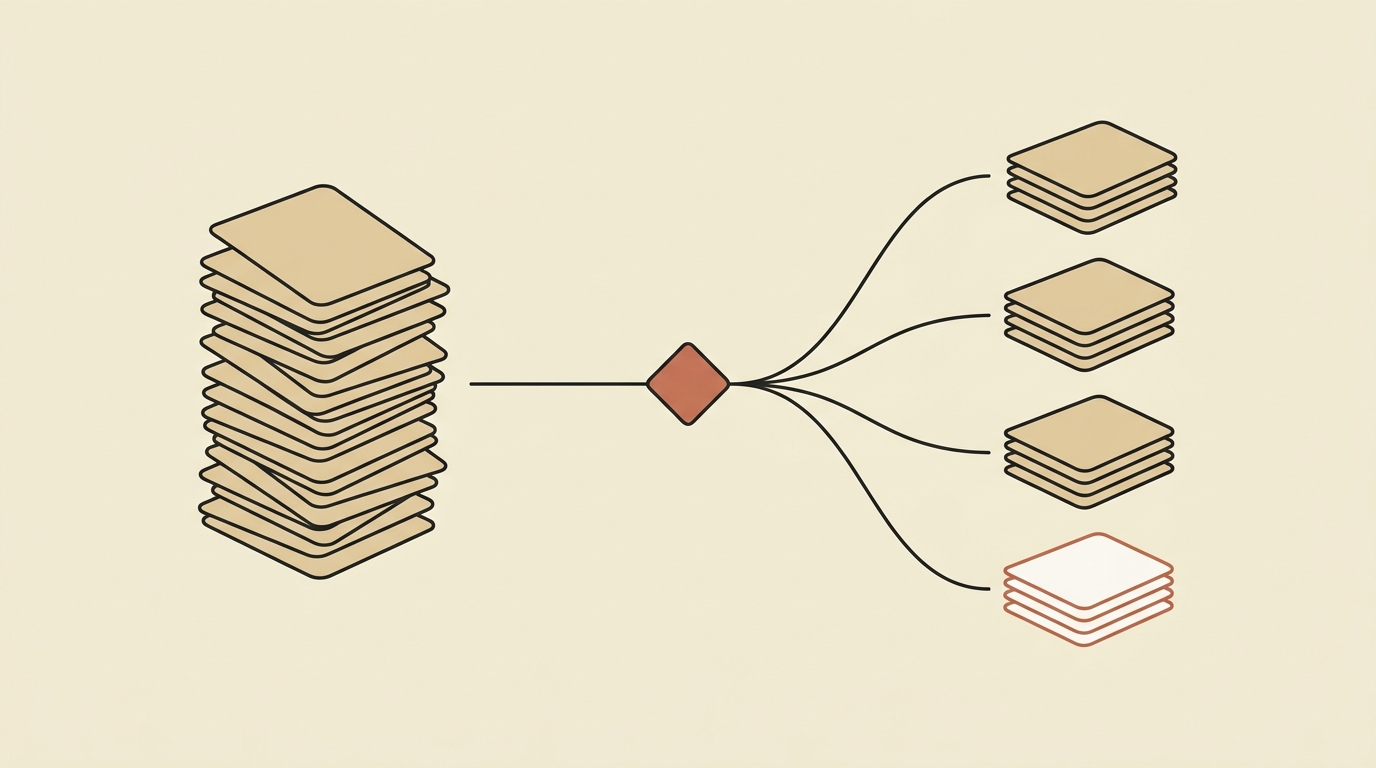
Seventy to eighty percent of the messages arriving at a medical practice can be routed automatically, and reading them manually costs two to three hours of staff time a day. The remaining twenty to thirty percent — the ambiguous, the clinically urgent, the genuinely unusual — still need a person, which is the correct outcome rather than a limitation. The expensive part of triage was never the hard messages. It was reading the routine ones to find them.
Key facts
- 70–80% of incoming messages can be auto-routed (inbox triage agent — Agentman measurement, not an industry benchmark)
- 2–3 hours of daily staff time recovered when routing is automated (same source)
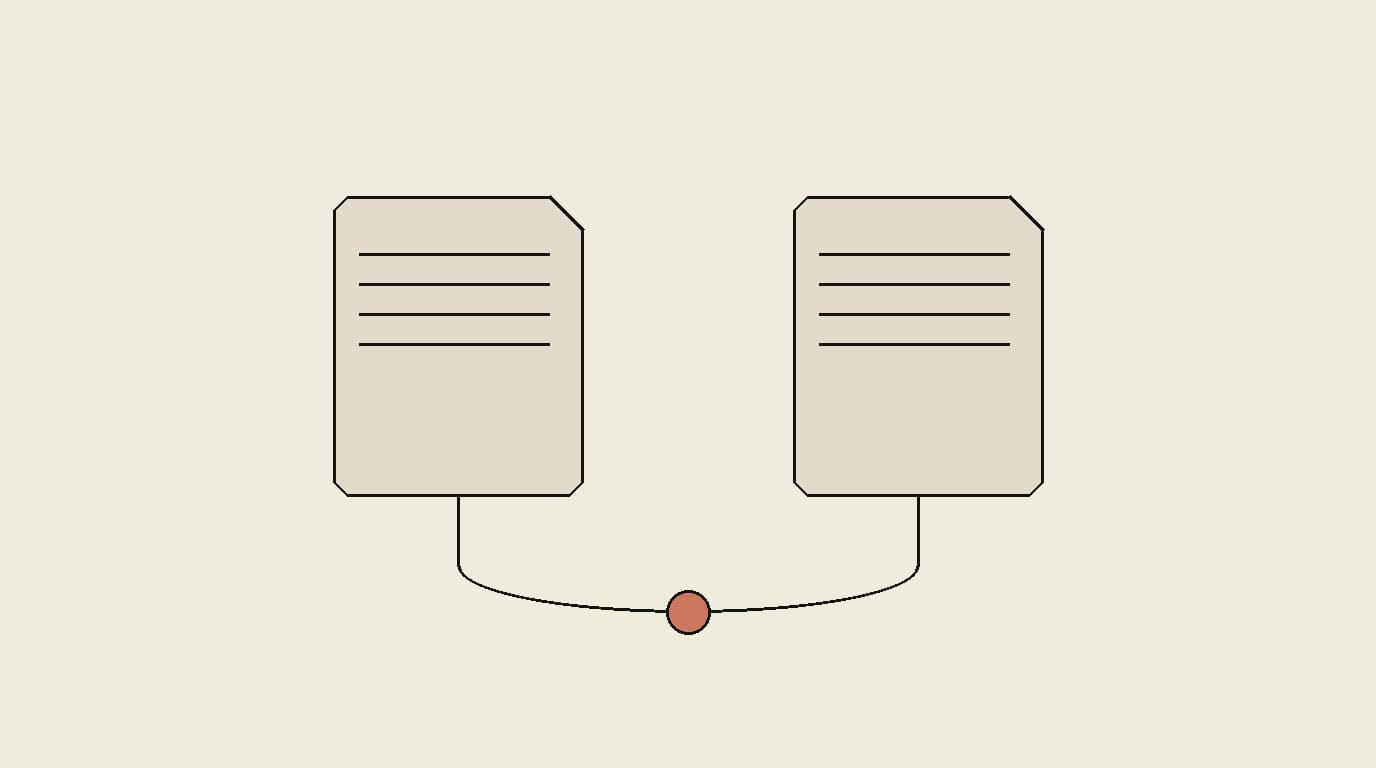
- Faxes, voicemails, and portal messages typically live in three separate systems that do not share a queue
- Everything arriving in those queues is protected health information, so routing it is a HIPAA Privacy Rule matter, not just an inbox-management one
- Agentman's published rate: $225/provider/month
What the current state looks like
The fax machine — or the fax service that replaced it — collects a hospital discharge summary, two prior-authorization denials, a lab result, and four vendor advertisements. All of it lands in the same folder, in the order it arrived.
The phone system has voicemails from overnight. Nobody knows what is in them until someone listens to each one.
The patient portal has messages: a refill request, a billing question, someone describing symptoms that may or may not be urgent.
Three queues, no shared view, and the only way to know what any single item is is for a human to open it. Most of what they open turns out not to need them.
Why this persists
- The systems were never designed to talk. The fax line, the phone system, and the EHR portal came from three vendors and three decades. Nothing is wrong with any of them individually.
- The work is invisible. Nobody reports "hours spent reading things that didn't need me." It surfaces as a front desk that seems perpetually behind.
- It feels like judgment work. Reading a message and deciding who owns it seems inherently human — and for the hard twenty percent it is. The mistake is assuming it is true for all of it.
The comparison: four ways to handle the queue
| Approach | What it costs | What it handles | Where it breaks |
|---|---|---|---|
| Hire another person | Fully loaded salary | Everything, with judgment | Scales linearly with volume; slowest to onboard; the same routine reading, just more hands |
| Outsource triage | Per-FTE or per-message | Everything, with judgment | Adds a handoff and a vendor between the message and the person who acts on it |
| EHR rules and filters | Usually included | Structured, predictable inputs | Scanned faxes are images, voicemails have no text, and portal free-text needs intent read from content |
| AI triage agent | $225/provider/mo | 70–80% routed automatically | The genuinely ambiguous 20–30% still escalates to a human, by design |
Check your EHR first
This is worth saying plainly even though it argues against buying anything: if your inbound messages are mostly structured — a known sender, a consistent document type, a predictable subject — your EHR's existing rules may handle a real share of this. Test that before spending money.
Rules classify format. Triage requires reading content. That is why a rule can file everything from a known lab reliably, and cannot tell an urgent discharge summary from a flyer when both arrive as scanned images from an unfamiliar number.
Before and after
| Dimension | Manual today | With a triage agent |
|---|---|---|
| Queues to check | 3+ separate systems | One worklist |
| Messages a human reads | All of them | The 20–30% that need judgment |
| Daily staff time | 2–3 hours | Exception handling only |
| Overnight arrivals | Wait for morning | Sorted before anyone arrives |
| Finding a specific fax | Search by hand | Classified and attributed on arrival |
| Audit trail | Whatever the queue records | Every routing decision logged |
What it does not do
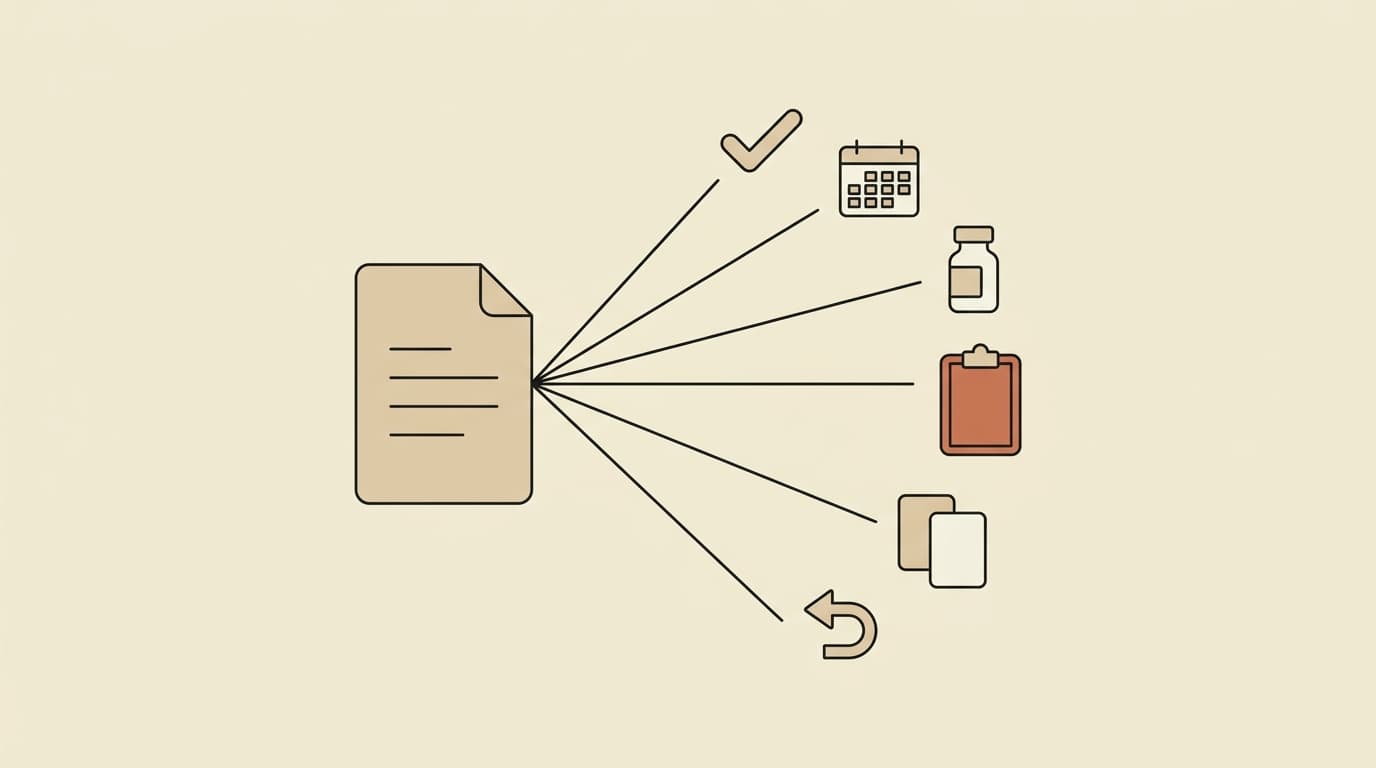
- It does not answer patients. Triage routes; humans respond. The person replying is the same person as before, reaching the message sooner.
- It does not make clinical decisions. Anything clinically ambiguous escalates rather than resolves.
- It does not hit 100%, and a vendor claiming otherwise is describing a demo. Twenty to thirty percent needs a human, and the value is that a human spends their attention there.
- It does not fix a broken intake process. If referrals arrive without patient identifiers, faster sorting still leaves an unidentifiable referral.
Is this worth automating at your practice?
- Count the queues. How many separate places does someone check for inbound work? More than two and the switching cost is already significant.
- Sample a day of faxes. What share needed the person who opened them? In most practices it is well under half.
- Ask what arrives overnight. If the answer is "we find out in the morning," everything from the night before starts the day already late.
- Try to find last Tuesday's discharge summary. If that takes more than a minute, the queue is storage rather than a workflow.
What changes in week one
Overnight arrivals are sorted before staff walk in, and the routine share stops reaching people who do not need it. What does not change immediately is trust: most practices spot-check the agent's routing for the first couple of weeks, which is the right instinct. The time savings show up once people stop double-checking work that has been consistently correct.
The ten months we spent inside our own inbox covers what that looked like in practice, including what we got wrong early.
Frequently Asked Questions
What is inbox triage in a medical practice?
Inbox triage is the daily work of reading everything that arrives — faxes, voicemails, patient portal messages, and referral documents — and deciding what each item is, who owns it, and how urgent it is. In most practices it is done manually by front-desk or clinical staff across several separate queues, because faxes, phone systems, and the patient portal rarely share one inbox.
How much staff time does message triage consume?
Two to three hours of daily staff time is typical, and that is the amount practices recover when routing is automated. The cost is not only the reading: each interruption pulls someone away from a patient in front of them, and the switching cost between queues is invisible in any time study.
What percentage of practice messages can be routed automatically?
Seventy to eighty percent of incoming messages can be auto-routed to the right person or workflow. The remaining twenty to thirty percent are genuinely ambiguous, clinically urgent, or unusual enough to need a human decision — which is the correct outcome, not a shortfall.
Can my EHR already do this with rules and filters?
Partly, and it is worth checking before buying anything. EHR rules work well on structured, predictable inputs: a known sender, a consistent subject line, a specific document type. They struggle with a scanned fax that is an image, a voicemail with no text at all, or a portal message where intent has to be read from free text. Rules classify format; triage requires reading content.
Is a missed fax really a clinical risk?
It can be. A hospital discharge summary, a specialist referral, or an abnormal lab result arriving by fax into a shared queue may sit unread for days if nobody claims it. The risk is not that staff are careless — it is that the queue offers no way to tell an urgent document from a marketing flyer without opening both.
Does automating triage mean patients talk to a robot?
No. Triage is about routing, not responding. It reads what arrived, classifies it, and delivers it to the right person or worklist with the context attached. The human who answers the patient is the same human as before, reaching the message sooner with less searching.
How is this different from hiring another front-desk person?
Hiring adds capacity to a process that scales linearly with volume, and it works — it is simply the most expensive option and the slowest to onboard. Automation removes the routine share of the work so existing staff handle exceptions. Practices choosing between them should compare the fully loaded cost of a hire against the share of messages that are genuinely routine, which is most of them.
What to do next
Run the four checks above. If more than half of what your staff opens turns out not to need them, that share is recoverable. Our inbox triage agent publishes its rate — $225 per provider per month — so you can compare it against the fully loaded cost of the hire you were considering instead.