Key Facts
- Claude Skills and Agent Skills are the same open standard — the SKILL.md format Anthropic released in October 2025. A skill you wrote in Claude imports without conversion.
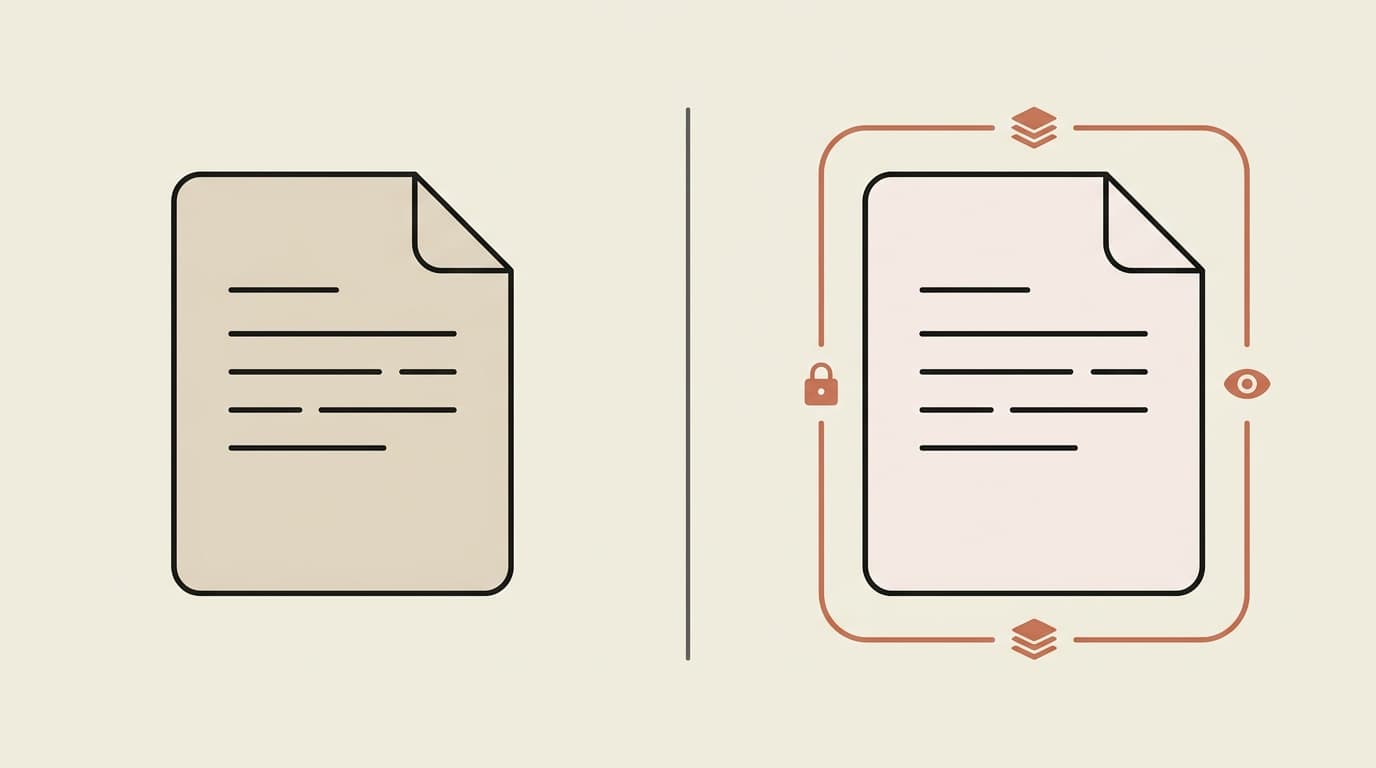
- The difference is not the file; it's the layer around it: where the skill lives, who can share it, whether the reader can also copy it, and whether anyone can tell who used it.
- Claude added native organization skill sharing on December 18, 2025 — owner provisioning, peer-to-peer sharing, and an internal directory. It is real and, for simple distribution, genuinely one step.
- What native sharing does not include: use-without-read (IP protection), a record of who used a skill, in-product version history with restore, or an approval path. Anthropic's own enterprise guide tells teams to build those themselves.
- The honest wedge: Claude shares skills. A library governs them.
If you've searched "Claude Skills vs Agent Skills" expecting a format war, here's the short version: there isn't one. They're the same SKILL.md standard, and the skill you built in Claude runs unchanged. The real question — the one that actually decides what your team should use — is not which format but which layer: once more than one person needs the same skill, who can share it, who can read it, and who can prove who used it? That's where the two diverge, and this guide is an honest map of the difference.
Table of Contents
- Are Claude Skills and Agent Skills the same thing?
- What does Claude's native sharing already do?
- Where does native sharing stop?
- Claude Skills vs Agent Skills, side by side
- Which should you use?
- How do you move from one to the other?
- Related entities
- Frequently asked questions
- Key takeaways
Are Claude Skills and Agent Skills the Same Thing?
Yes, at the file level. "Claude Skills" is the name that stuck when Anthropic launched the feature; "Agent Skills" is the open standard's name for the same SKILL.md format — a folder with a markdown file of instructions, optional scripts, and reference files. Because it's one standard, a skill written in Claude is a skill written for the open ecosystem; there's no conversion step, no rewrite, no lock-in on the artifact itself.
So when people ask which is "better," the format isn't the axis. Both are the same YAML-fronted markdown. What differs is everything around the file — the layer that turns a personal skill into shared team infrastructure. That layer is the entire subject of this comparison.
What Does Claude's Native Sharing Already Do?
It's worth being precise here, because a lot of writing on this topic is out of date. As of December 18, 2025, Claude Team and Enterprise plans include native organization skill sharing, and it covers real ground:
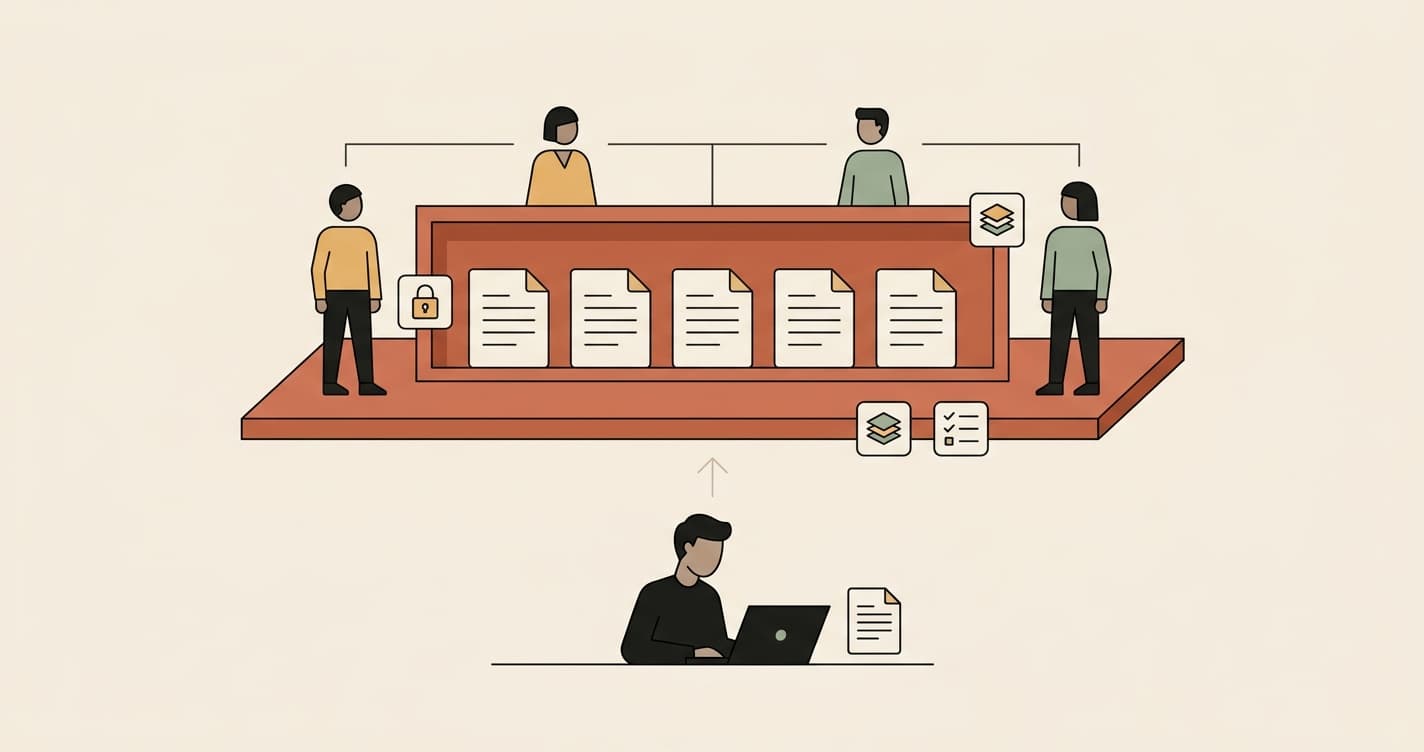
- Owner provisioning. An organization owner can upload a skill once, and it appears for everyone in the org, enabled by default. For "everyone should have the brand-voice skill," that's genuinely a single step.
- Peer-to-peer sharing. If the owner turns on the sharing toggle, any member can share a skill with a teammate by name or email.
- An internal directory. If the owner turns on the directory toggle, members can publish skills to an org-wide directory others can browse and install.
- Share-event audit (Enterprise). Skill-sharing events land in the audit log and Compliance API — who shared what, with whom.
If your need is distribution — get this skill onto everyone's account — Claude's native sharing does that well, and any comparison that pretends otherwise isn't worth reading. Credit where it's due.
Where Does Native Sharing Stop?
Distribution and governance are different problems. Native sharing solves the first. Four gaps show up the moment a skill is valuable enough that how it's shared starts to matter:
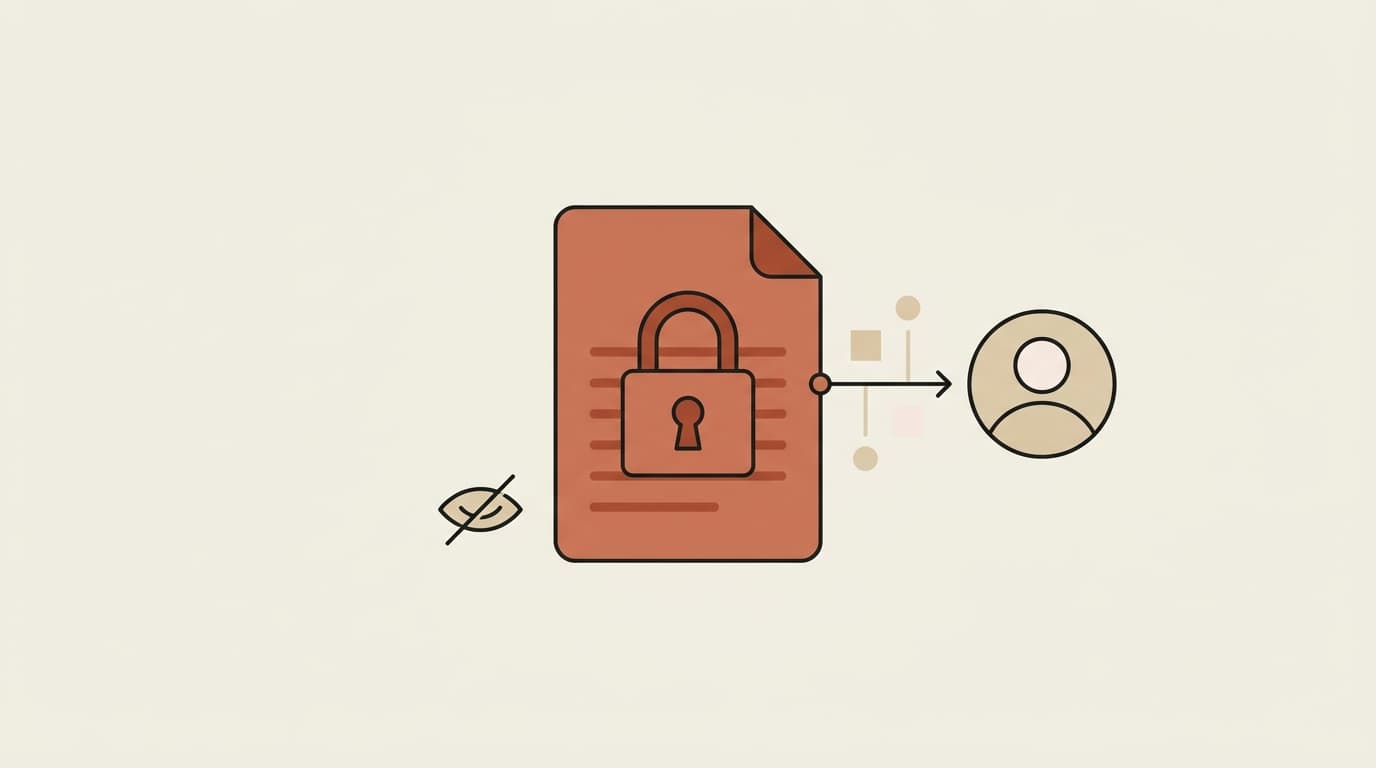
1. Sharing reveals the contents. When you share a skill, the recipient can open it and read it — which means they can copy it. For a formatting helper that's fine. For your negotiation playbook, your underwriting criteria, or your firm's diligence checklist, "shared" and "readable" being the same thing is a real problem. There's no run-it-without-reading-it option.
2. There's no record of who used a skill. Enterprise plans log the share event — who shared it, with whom. But, in Anthropic's own words, usage analytics are not currently available; you're told to implement application-level logging yourself. So you can see that a skill was shared, but not who ran it, or how often. For a compliance-sensitive skill, that's the audit question you actually care about, unanswered.
3. Governance is binary. An owner provisions; everyone else consumes. The two sharing toggles — peer sharing and the org directory — are the entire policy surface, and the directory has no approval workflow: any member can publish without review. There's no middle ground between "owner controls everything" and "anyone can publish anything."
4. No version history you can see or restore. Skills can update, and updates propagate. But there's no in-product timeline of what changed, who changed it, or a one-click way to roll back a change that broke something. Anthropic's enterprise guide is candid about all of this — it recommends teams build their own registry, review process, and evaluation harness. That advice is honest, and it's also a description of the layer that isn't there yet.
None of these are format problems. They're layer problems — which is exactly why a different layer, wrapped around the identical SKILL.md file, solves them.
Claude Skills vs Agent Skills, Side by Side
Same format throughout. The comparison is the layer:
| Capability | Claude native sharing | Agentman library |
|---|---|---|
| SKILL.md format | ✅ The standard | ✅ The same standard |
| Distribute to the whole org | ✅ Owner uploads once, on by default | ✅ Share with the workspace in one click |
| Share with a teammate | ✅ If owner enables the toggle | ✅ By name or email, any member |
| Run a skill without reading it | ❌ Shared = readable | ✅ Use-only access; body redacted at the API layer |
| Record of who used a skill | ❌ Share events only; no usage record | ✅ Per-skill activity + workspace access log |
| Version history / diff / restore in the UI | ❌ Not in-product | ✅ Day-grouped history, compare, one-click non-destructive restore |
| Access levels per skill | ❌ Owner-provision or member-publish | ✅ Four levels: use / read / edit / admin |
| Cross-organization sharing | ❌ Inside one org only | ✅ Use-only across firms; a workspace per client |
| One skill across Claude, Code, ChatGPT, Cursor | ❌ Three surfaces need separate uploads | ✅ One library over MCP, everywhere |
| Available on free accounts | ❌ Sharing is Team/Enterprise | ✅ Sharing + governance on all plans, works with a free Claude account |
Read the ❌ column carefully: none of it says the format is worse or the sharing is broken. It says the governance layer isn't there. That's the whole distinction.
Which Should You Use?
It's not either/or — you run Agent Skills in Claude. The real question is where the library of record lives.
- Native sharing is enough when: you're one Claude organization, the skills aren't sensitive IP, you don't need a usage audit, and simple distribution is the whole job. Owner uploads, everyone has it, done.
- A governed library earns its place when: you need to share a skill without giving away what's inside it; you need to answer "who used this, and when?"; you version skills like the production assets they've become; you work across client or firm boundaries; or you want the same skill in Claude, Claude Code, ChatGPT, and Cursor without maintaining three copies.
The tell is usually the second person who needs the skill. One person's skill is a personal skill either way. The moment a team, a client, or an auditor is involved, the layer is the product.
How Do You Move from One to the Other?
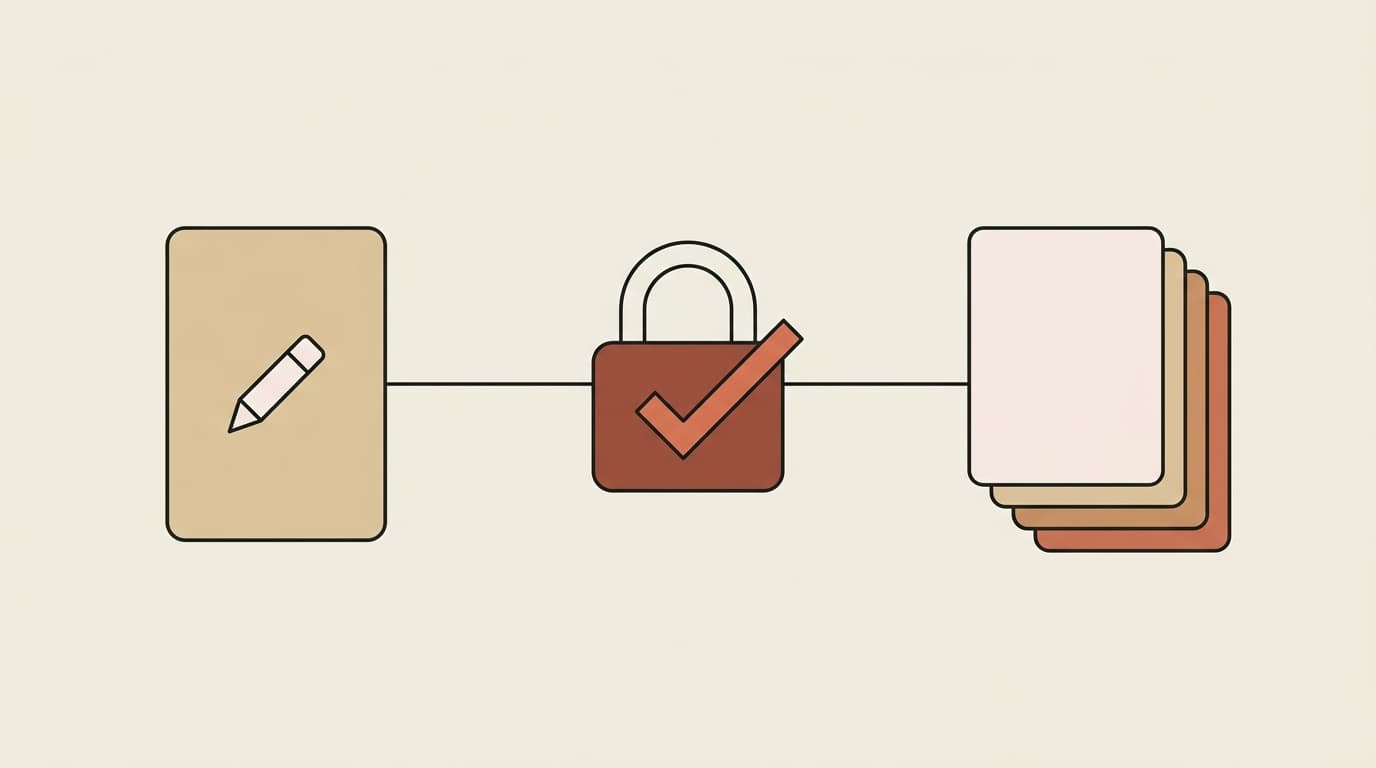
You don't migrate the skills — the format is identical, so you import them. Export your skills from Claude (each downloads as a .skill or .zip package), then batch-import them into your library — one package or fifty. Nothing gets converted; the skill you import is the skill you wrote.
Then connect the library back to Claude, and the same skills are available in your Claude conversations — now with sharing, use-only access, version history, and an activity record around them. You keep working in Claude; the library is just where the skills live and how they're governed.
Related Entities
This comparison sits across Agentman's Agent Skills platform and the broader ecosystem: the open SKILL.md standard popularized as Claude Skills, Claude Team and Enterprise organization sharing (owner provisioning, peer sharing, the org directory, the Compliance API audit log), and the governance layer Agentman adds — use-only access, per-skill activity, workspace access logs, version history, and four access levels. It connects to the practical guides for importing Claude Skills and connecting a library to Claude.
Frequently Asked Questions
Are Claude Skills and Agent Skills different formats?
No. They're the same open SKILL.md standard Anthropic released in October 2025 — a folder with a markdown instruction file, optional scripts, and reference files. A skill written in Claude imports into an Agent Skills library without conversion, and runs unchanged.
Can't Claude already share skills with my team?
Yes — since December 18, 2025, Claude Team and Enterprise plans include native organization sharing: owner provisioning, peer-to-peer sharing, and an internal directory. It handles distribution well. What it doesn't include is running a skill without revealing its contents, a record of who used a skill, in-product version history with restore, or an approval workflow — the governance layer Anthropic's own enterprise guide suggests teams build themselves.
Does using an Agent Skills library mean leaving Claude?
No. You connect the library to Claude over MCP and keep working in Claude exactly as before. The library is where the skills live and how they're governed; Claude is still where you run them — along with Claude Code, ChatGPT, and Cursor from the same library.
What's the single biggest difference?
Whether "shared" also means "readable and copyable." In native sharing it does. A governed library adds use-only access, so a teammate — or an outside firm — can run your skill without ever seeing what's inside it, with every use logged.
Key Takeaways
- Claude Skills and Agent Skills are the same SKILL.md format — no conversion, no format war. The difference is the layer around the file.
- Claude's native org sharing (Dec 2025) genuinely handles distribution: owner uploads once, the org has it. Give it credit.
- What native sharing doesn't do: run-without-read, a usage record, in-product version history with restore, or approvals — Anthropic's enterprise guide says to build those yourself.
- A governed library adds exactly that layer — use-only access, activity logs, version history, four access levels — around the identical skill.
- The deciding factor is usually the second person who needs the skill: distribution vs. governance is the real choice, not one format vs. another.
Bring your Claude Skills into a governed library. Import them in a batch, connect back to Claude, and keep working where you already do — now with the layer that native sharing leaves to you.