Key Facts
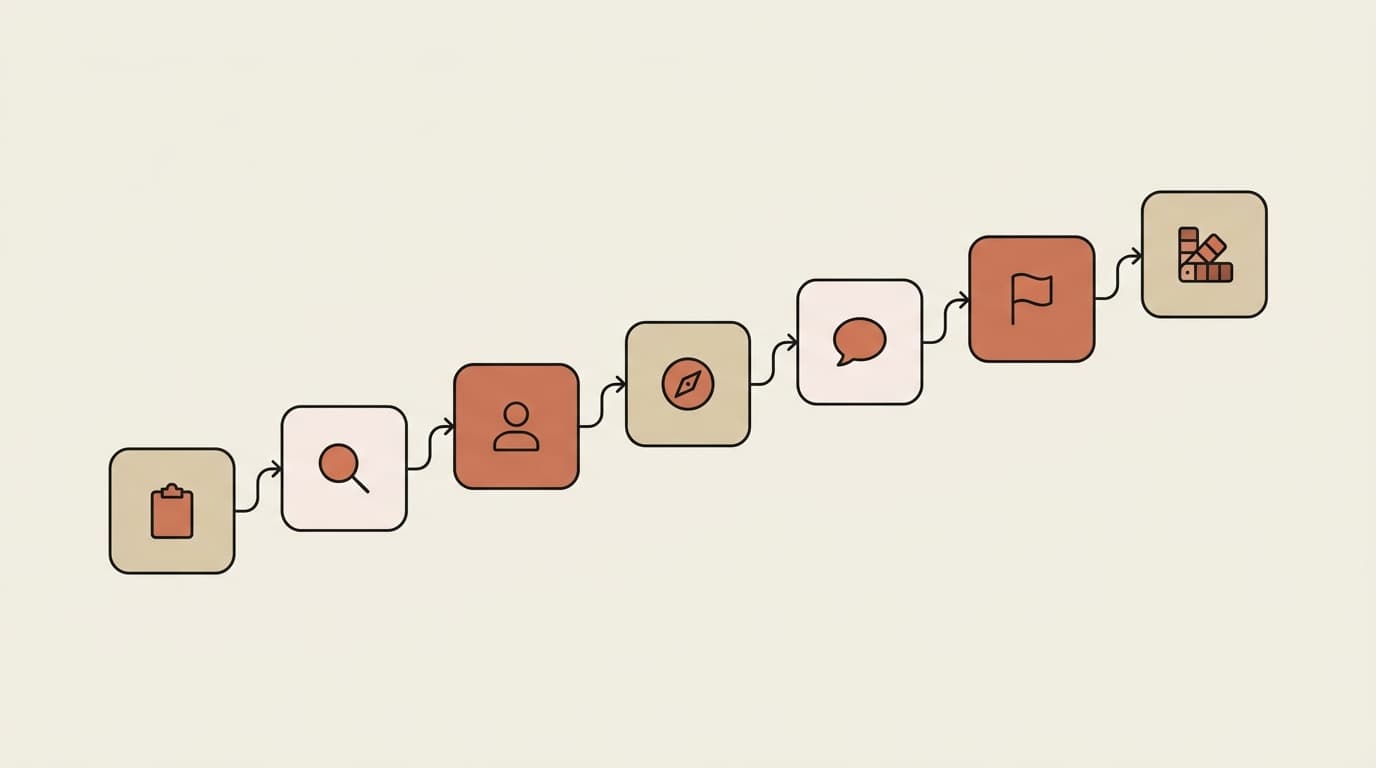
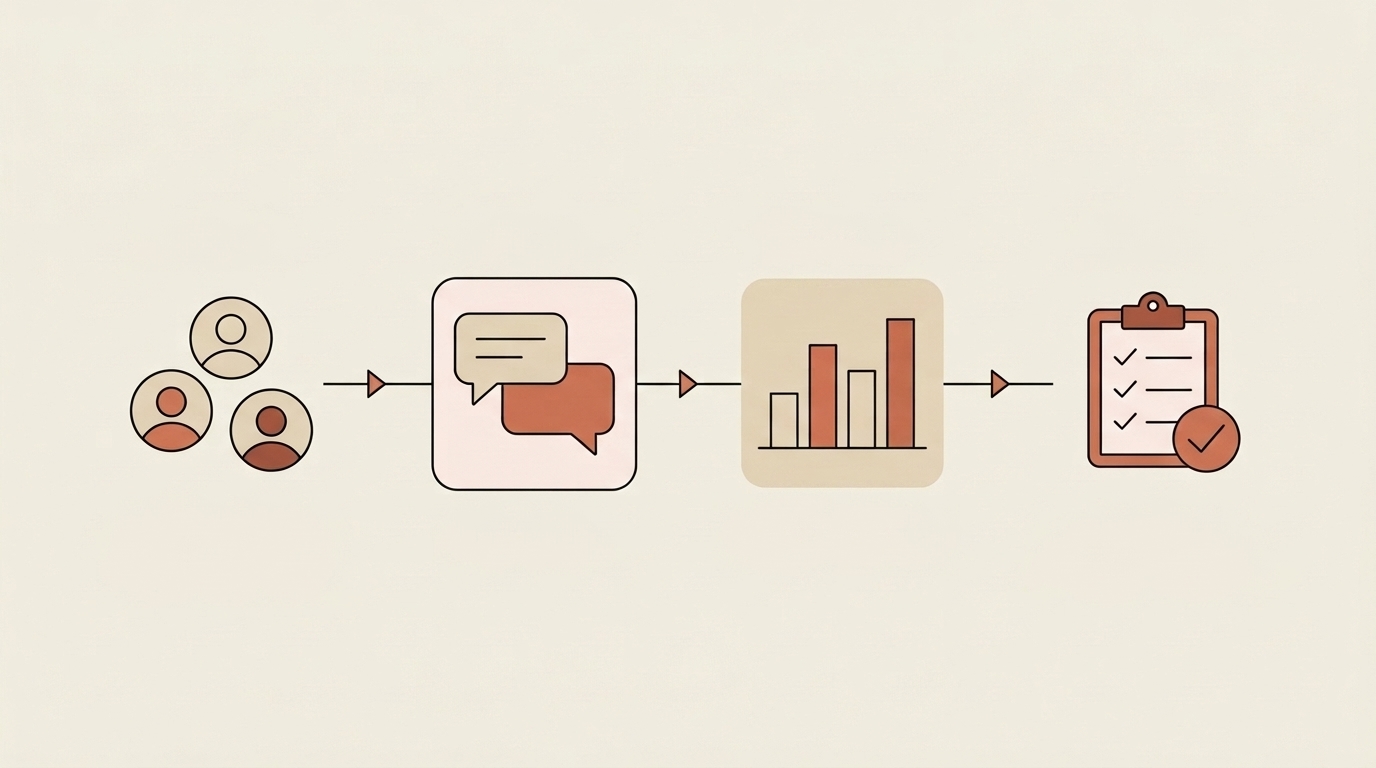
- The suite is four chained Agent Skills: synthetic-persona-creator → synthetic-interview-conductor → persona-cohort-analyzer → research-to-action-bridge. Each stage's output feeds the next.
- It produces a fast, low-cost first pass at customer research when you don't yet have customers to interview — concept testing, positioning, and discovery, in hours instead of weeks.
- The honest boundary: synthetic personas don't replace real users. They sharpen the questions you'll ask real people, and surface hypotheses worth testing — they don't confirm what real people will actually do.
- The suite pairs naturally with user-research-synthesizer (one of the most-used skills in the library), which does the same synthesis job on real interviews once you have them.
- All four are free system skills, runnable in Claude once your library is connected.
Every founder hits the same wall at the start: you need customer insight to build the right thing, but you don't have customers yet to ask. The usual answers are slow (recruit and schedule real interviews) or expensive (buy a research panel) — and at the idea stage you have neither the time nor the budget. The synthetic-persona research suite is a fourth option: build realistic persona cohorts, interview them, find the patterns, and convert those into product decisions — as a first pass, before you spend a dollar recruiting. Used honestly, it doesn't pretend to be real research. It makes your real research, when you get there, much sharper.
Table of Contents
- What is the synthetic-persona research suite?
- What does each skill do?
- How the four skills chain
- What synthetic research is good for — and what it isn't
- From synthetic to real: the companion skill
- How do you get these skills?
- Related entities
- Frequently asked questions
- Key takeaways
What Is the Synthetic-Persona Research Suite?
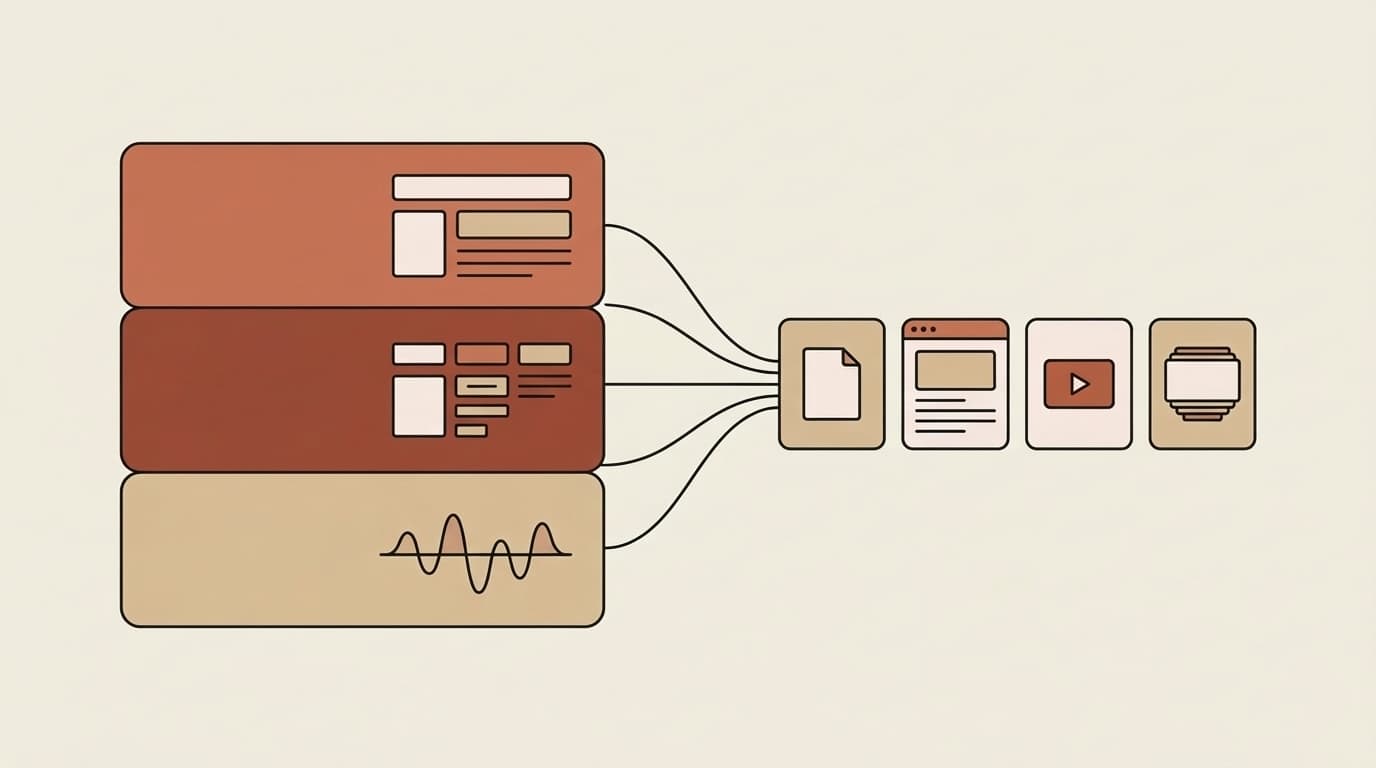
It's a four-stage pipeline that simulates the front half of a customer-research process. You start with a target market and a concept; the suite generates a set of realistic customer personas, runs qualitative interviews against them, analyzes the responses for patterns across the whole cohort, and hands you a prioritized set of actions. Because these are skills — repeatable procedures, not one-off prompts — the pipeline runs the same way each time, and each stage produces a real artifact the next stage consumes.
The point isn't to fool yourself into thinking you've talked to customers. It's to do the cheap, fast version of discovery first — so that when you do talk to real people, you're testing sharp hypotheses instead of fishing.
What Does Each Skill Do?
synthetic-persona-creator — build the cohort
The first skill creates AI-powered synthetic personas for market research, user testing, and customer-insight generation. Give it your target market and concept, and it produces realistic customer profiles you can test ideas against — the archetypes you'd wish you had a room full of. Use it for concept testing, campaign pre-testing, and building the cohort the rest of the suite works on. Who it's for: seed-stage teams with a concept and no customer list.
Try Synthetic Persona Creator right now
One click opens Claude or ChatGPT with the skill loaded — no setup required.
synthetic-interview-conductor — run the interviews
The second skill conducts multi-turn qualitative interviews with the personas — simulated user interviews and focus-group-style discussions that go deeper than a one-shot survey. It's the difference between "rate this 1–5" and an actual conversation that follows up on what the persona says. The output is a set of interview transcripts, one per persona, ready to be analyzed as a group. Who it's for: anyone who wants qualitative depth, fast, before recruiting real interviewees.
persona-cohort-analyzer — find the patterns
The third skill analyzes patterns and generates statistical insights across the cohort — identifying themes that recur across multiple persona responses and quantifying how sentiment is distributed. This is the step that turns a pile of individual transcripts into signal: what do most personas care about, where do they split, which objections keep surfacing. Who it's for: teams that have qualitative material and need the "so what" across all of it.
research-to-action-bridge — turn insight into decisions
The final skill transforms the research insights into actionable recommendations for product, marketing, and strategy teams — converting findings into roadmap priorities and concrete next steps. This is the stage that closes the gap most research dies in: the report that never becomes a decision. Who it's for: whoever has to act on the research — turning "here's what we heard" into "here's what we'll build and say." (Note: this skill works on any market-research insight, synthetic or real.)
How the Four Skills Chain
The pipeline runs in order, each output feeding the next input: create the cohort → interview it → analyze the cohort → bridge to action. You run it as a sequence of natural asks in Claude, and the artifacts accumulate — personas, then transcripts, then a themes-and-sentiment analysis, then a prioritized action list.
The chain is the value. Any one stage alone is a party trick; together they're a discovery process. The interviews are only useful because the analyzer can find patterns across them; the analysis is only useful because the action-bridge turns it into decisions. Skipping stages is how synthetic research becomes the thing critics rightly dislike — a persona monologue with no rigor. Run in full, it's a structured first pass.
What Synthetic Research Is Good For — and What It Isn't
This is the section that matters most, because the honest framing is what makes the suite trustworthy.
It's good for:
- Sharpening your questions. The single biggest payoff. After a synthetic pass, you know which questions actually discriminate between concepts — so your first real interviews aren't wasted on obvious ones.
- Breadth before you have any. You can explore a dozen persona angles in an afternoon and find which ones are worth pursuing with real people.
- Pre-testing concepts and copy. Surfacing obvious objections and confusion before you put anything in front of a real prospect.
- A zero-budget starting point. When the alternative is no research at all because you can't afford a panel, a structured synthetic pass beats guessing.
It isn't:
- A substitute for real users. Synthetic personas reflect the model's priors about who your customers might be — not what actual humans will do, pay for, or churn over. Treat every output as a hypothesis, not a finding.
- Evidence you can quote to investors as market validation. It's discovery, not proof.
- A reason to skip real research. It's a reason to do real research better when you get there.
Hold that line and the suite earns its place. Blur it and you're just confirming your own assumptions in a persona's voice.
From Synthetic to Real: The Companion Skill
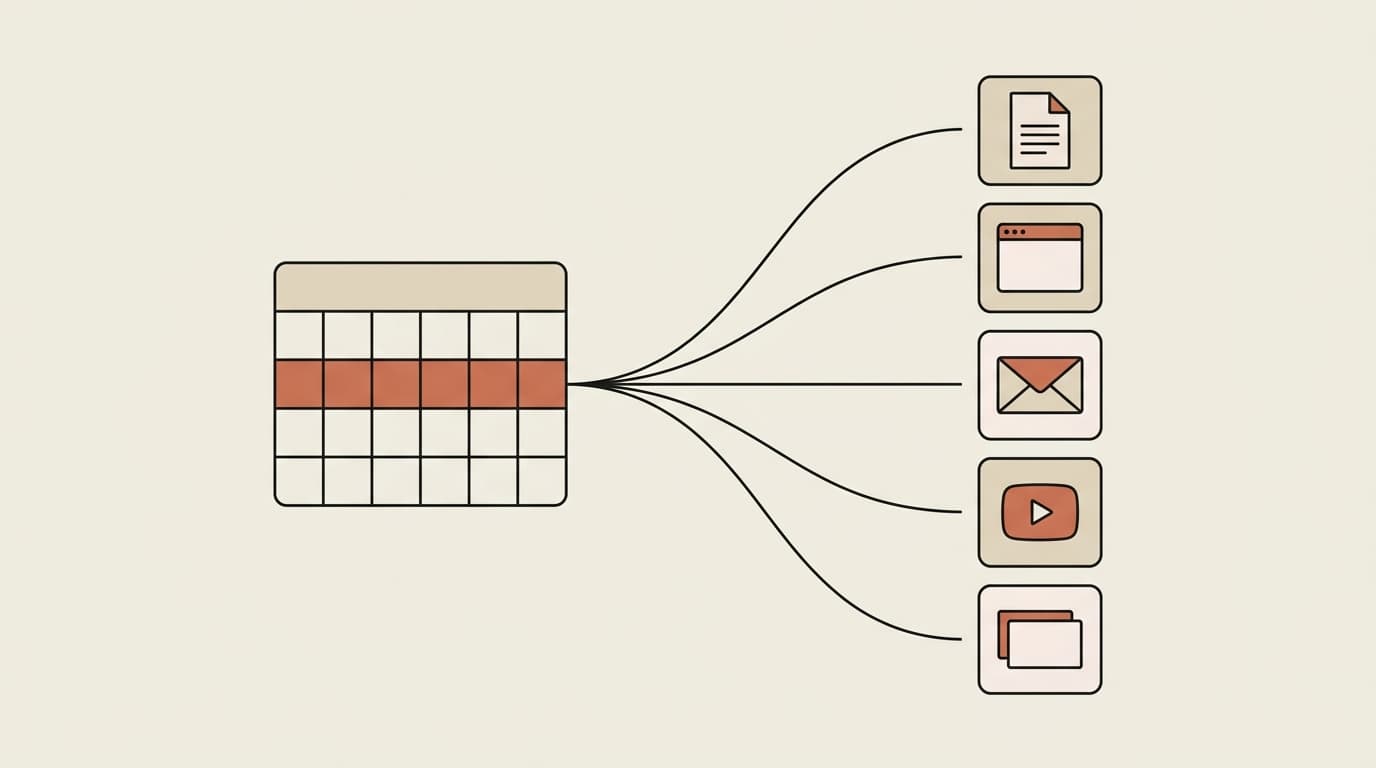
The suite has a natural next step for when you do have real interviews: user-research-synthesizer — one of the most-used skills in the entire library. It synthesizes real user interviews, surveys, and feedback into actionable insights, with affinity-mapping frameworks, persona-development templates, and insight-prioritization methods.
The workflow across both is clean: run the synthetic suite to shape your questions and hypotheses, go talk to real people with those sharper questions, then run user-research-synthesizer on what they actually said. Synthetic research designs the study; real research runs it; the synthesizer turns the real answers into decisions. The synthetic pass makes every hour of real research count more.
How Do You Get These Skills?
All four suite skills (and user-research-synthesizer) are free system skills in the public library:
- Find them. Sign in at myAgentSkills.ai and search for "persona" or "research."
- Run them in Claude. Connect your library to Claude and the suite runs as a sequence of natural asks — "create synthetic personas for [market]," then "interview them about [concept]," and so on.
- Customize for your market. Clone the persona-creator and bake in your actual segment definitions, so the cohorts reflect your market rather than a generic one.
Related Entities
This suite lives in Agentman's Agent Skills platform: the four chained skills (synthetic-persona-creator, synthetic-interview-conductor, persona-cohort-analyzer, research-to-action-bridge) and their real-data companion user-research-synthesizer, on the open SKILL.md format popularized as Claude Skills. The discovery context connects to market research, user interviews, persona development, concept testing, product discovery, and roadmap prioritization. For turning any research into a repeatable content and decision pipeline, see skill stacking.
Frequently Asked Questions
Can synthetic personas replace real customer interviews?
No — and using them that way is the main way this goes wrong. Synthetic personas reflect a model's assumptions about your market, not real human behavior. They're a fast, cheap first pass that sharpens your hypotheses and questions; real interviews are what confirm what people actually do. Treat every synthetic output as a hypothesis to test, not a finding to bank.
When is synthetic research actually worth doing?
At the earliest stage, when you have a concept but no customer list, and the realistic alternative is no research at all. It's also valuable right before real interviews — a synthetic pass tells you which questions discriminate between options, so your limited real-interview time isn't spent on the obvious ones.
How is this different from just prompting an AI to "act like a customer"?
The difference is the chain and the rigor. A single prompt gives you one persona's monologue. The suite creates a cohort, runs structured multi-turn interviews across it, analyzes patterns and sentiment across the whole cohort, and bridges to prioritized actions. It's the difference between one anecdote and a structured discovery process.
What do I do with the results?
Run them through research-to-action-bridge to get prioritized product, marketing, and strategy recommendations — then use those to design sharper real-user research. When you have real interviews, run user-research-synthesizer on them to turn actual answers into decisions.
Key Takeaways
- The suite is a four-skill chain: create a persona cohort → interview it → analyze patterns across it → bridge to actions.
- It's a fast, zero-budget first pass at discovery for when you have a concept but no customers yet.
- The honest boundary is the whole point: it sharpens the questions you'll ask real users; it doesn't replace them or validate a market.
- Pair it with user-research-synthesizer for real interviews — synthetic designs the study, real runs it, the synthesizer turns real answers into decisions.
- All free system skills, runnable in Claude once your library is connected.
Do the cheap pass first. Sign in at myAgentSkills.ai, create a synthetic persona cohort for your market, and interview it — then take the sharper questions to real people. (Connect your library to Claude first so the suite runs where you already work.)