You Don't Need AI Engineers to Build AI Agents: A Plain-English Guide for Domain Experts
Domain experts can build production AI agent skills without code or AI engineers. Describe the behavior, attach examples, generate the skill. Here's how.

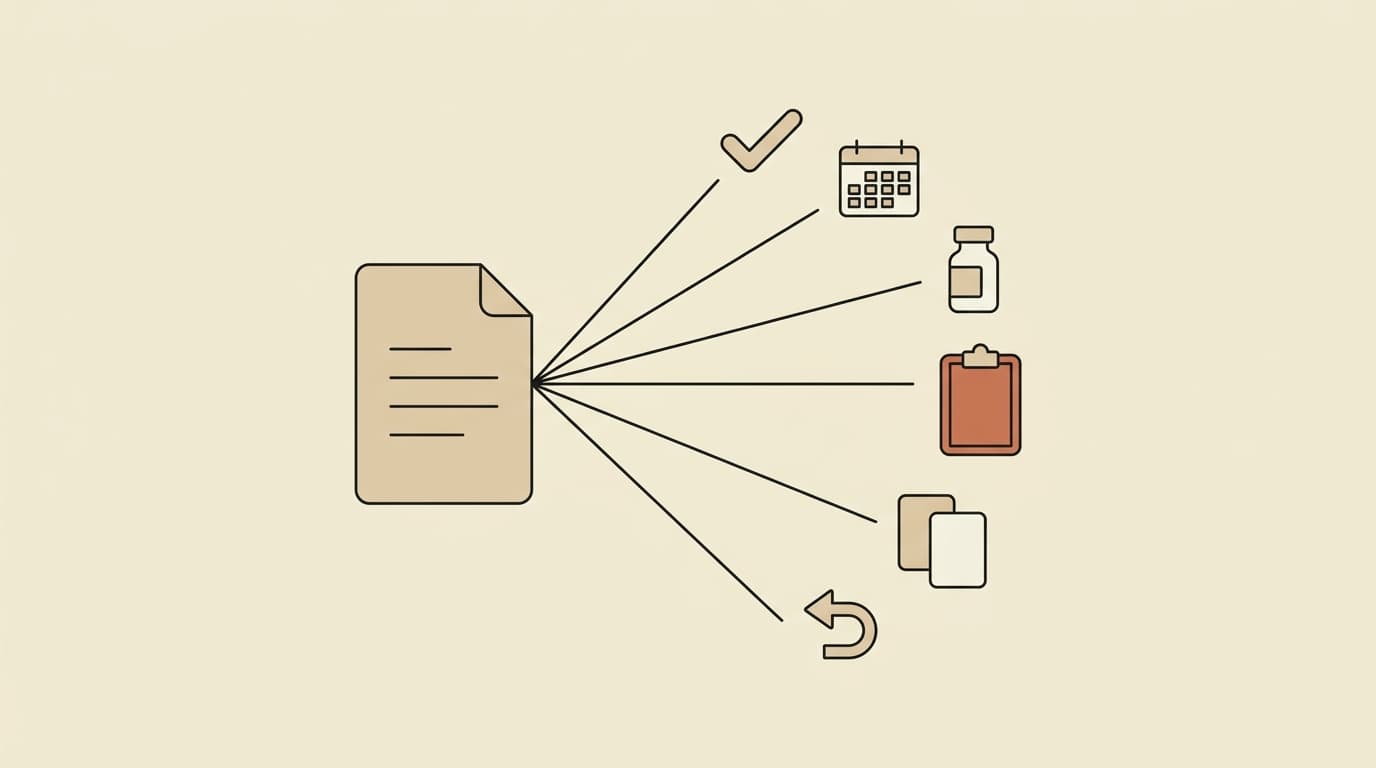
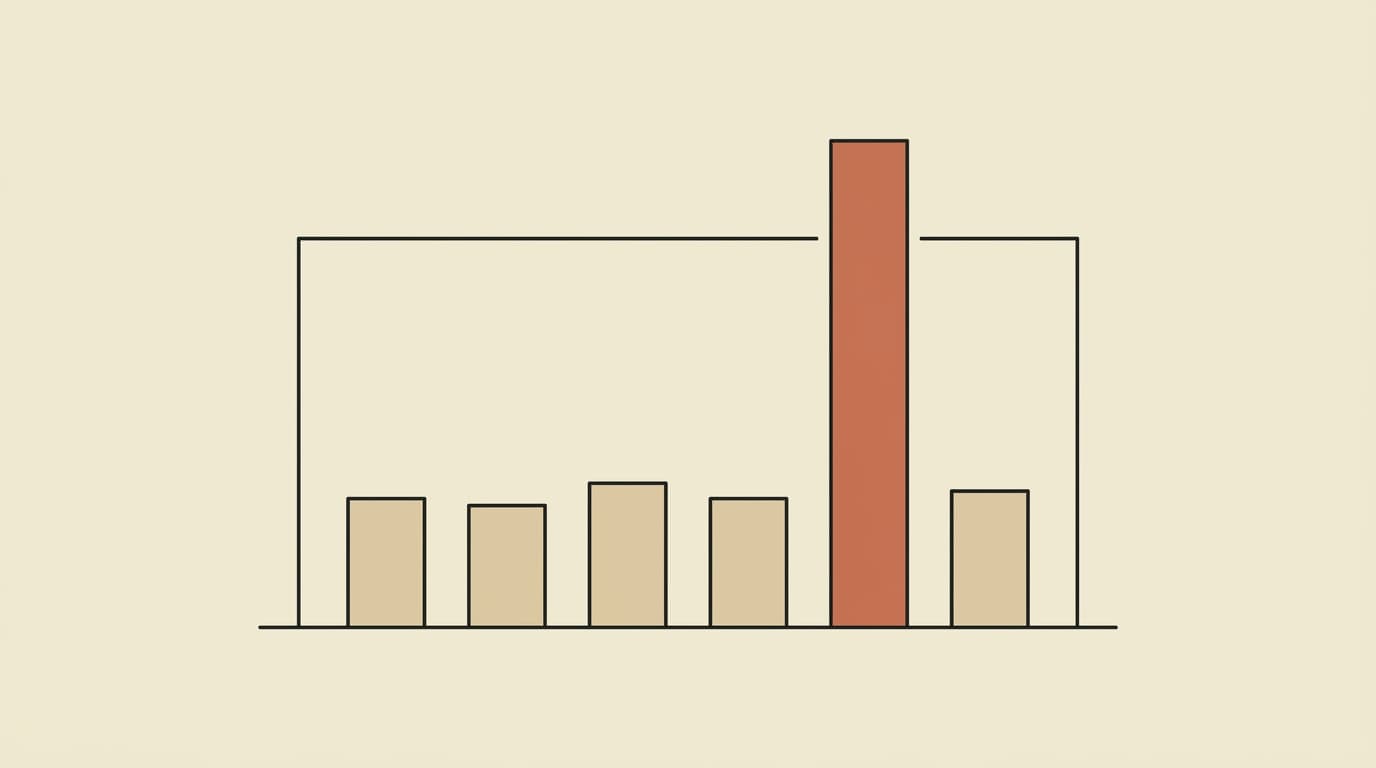
We deployed an inbox triage agent at Valley Diabetes & Obesity to clear a 47-fax morning pile. Ten months later it auto-routes 80% of inbound fax, email, and voicemail and has recaptured $50K+ — but the real story is the 20% it couldn't classify, where device recalls, self-generated prior auths, and hospital hand-backs were quietly slipping through.

Domain experts can build production AI agent skills without code or AI engineers. Describe the behavior, attach examples, generate the skill. Here's how.

You don't need to code to build AI agent skills. Here's the plain-English, no-code workflow to take a non-developer from idea to a deployed agent skill in under 10 minutes — plus how the same approach powers MedMan's healthcare agents.

Agentman's Prasad Thammineni and Sachin Gangupantula joined Tyler Lo on the Bridging Healthcare Gaps podcast to explain why agentic AI matters for independent specialty practices — from eligibility verification that protects $50K–$80K per physician per year to the agent-skills flywheel, plus the governance and risk questions that come with clinical AI.

AI agents won't replace knowledge workers — they'll reinvent them. In a conversation on Camber Creek's Catalyst podcast, Agentman founder Prasad Thammineni explains why human adoption, not technology, is the real bottleneck, and how anyone can join the 1% by becoming an \\\\\\\\\\\\\\\\\\\\\\\\\\\\\\\\\\\\\\\\\\\\\\\\\\\\\\\\\\\\\\\"Intelligence Architect.\\\\\\\\\\\\\\\\\\\\\\\\\\\\\\\\\\\\\\\\\\\\\\\\\\\\\\\\\\\\\\\"

Why AI audit trails, citations, and access controls aren't optional in regulated healthcare and PE — the governance-first architecture explained, with 2025–2026 data.

Healthcare AI has a unique network effect that no horizontal SaaS company can replicate: when one independent specialty practice's eligibility verification agent encounters a new payer denial pattern, every practice on the platform inherits the learned pattern the same day. The Healthcare Intelligence Layer is shared infrastructure for back-office automation — and the 2025–2026 denial economics make it the most durable moat in vertical healthcare AI.

Independent specialty practices collect roughly 60 cents on every gross dollar billed because revenue leaks at four sequential checkpoints — eligibility, prior authorization, documentation, and denial recovery. Automating all four with agent skills closes the loop, and the 2026 industry benchmarks now make the financial case decisive.

Independent practice staff still lose 13 hours per physician per week to prior authorization, and 90% of practices say the burden got worse this year. Agent skills automate the full PA workflow from three trigger sources — EHR, inbox, and ambient encounter — while keeping a clinician in the loop on every submission. Here is how the mechanism works under the new CMS rules, and why \\\"clean prior auth\\\" is the part most vendors skip.

Physicians spend 13 hours a week on prior authorization. 67% of denials are never appealed. Every solution the industry has shipped — outsourced PA, CoverMyMeds, payer portals, AI auto-fill, the new wave of agentic PA startups — was built for the payer, not the independent practice. The first round of CMS-mandated public data confirms what staff schedules have shown for years: this is working exactly how it was designed. It just wasn't designed for us.
Get practical insights on production AI agents delivered to your inbox.
See how production-grade AI agents handle your toughest workflows.